Damage repair starts by naming the cause, because the cause decides where the repair goes. Springfield, MA roofs take wind, snow, ice and the occasional violent storm, and each one leaves a different mark. In June 2011 the National Weather Service tracked an EF3 tornado across the city that crossed the Connecticut River near the Memorial Avenue Bridge and removed roofs from some large commercial brick buildings in the city. We separate what a storm did from what age and drainage did, and repair to the cause.

Roof Damage Repair in Springfield, MA
Roof Damage Repair
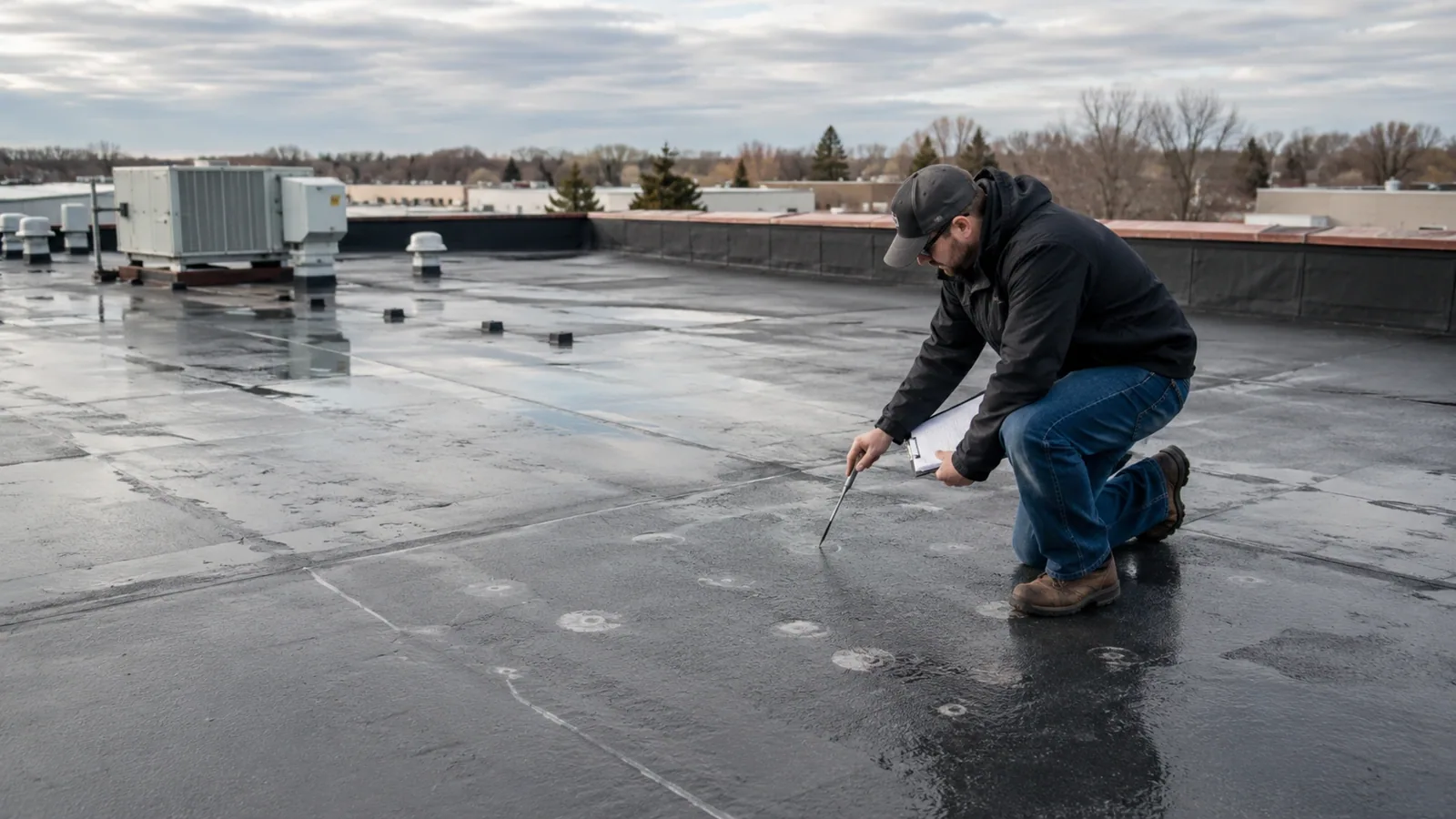
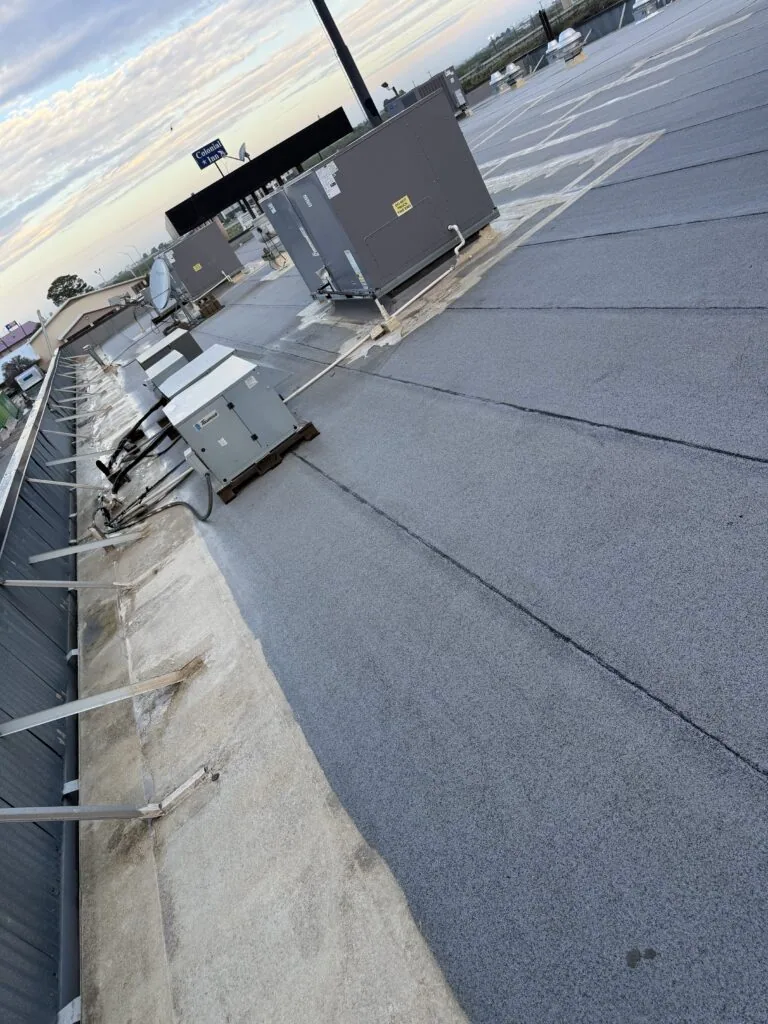
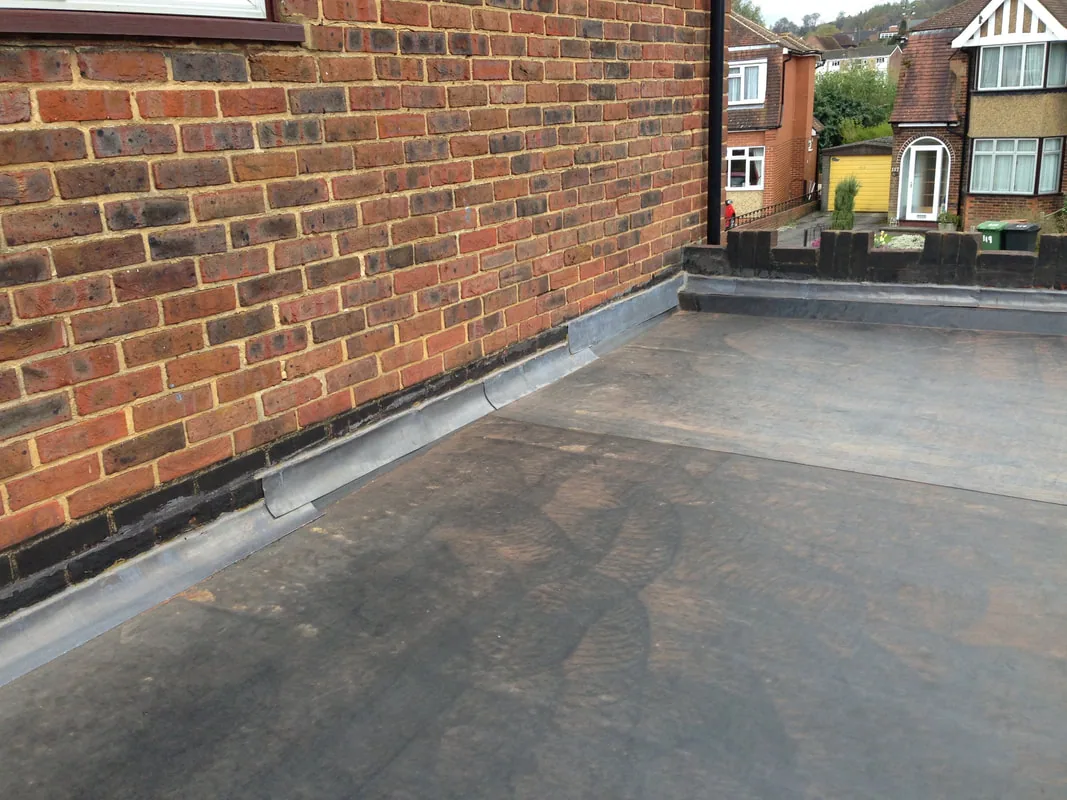
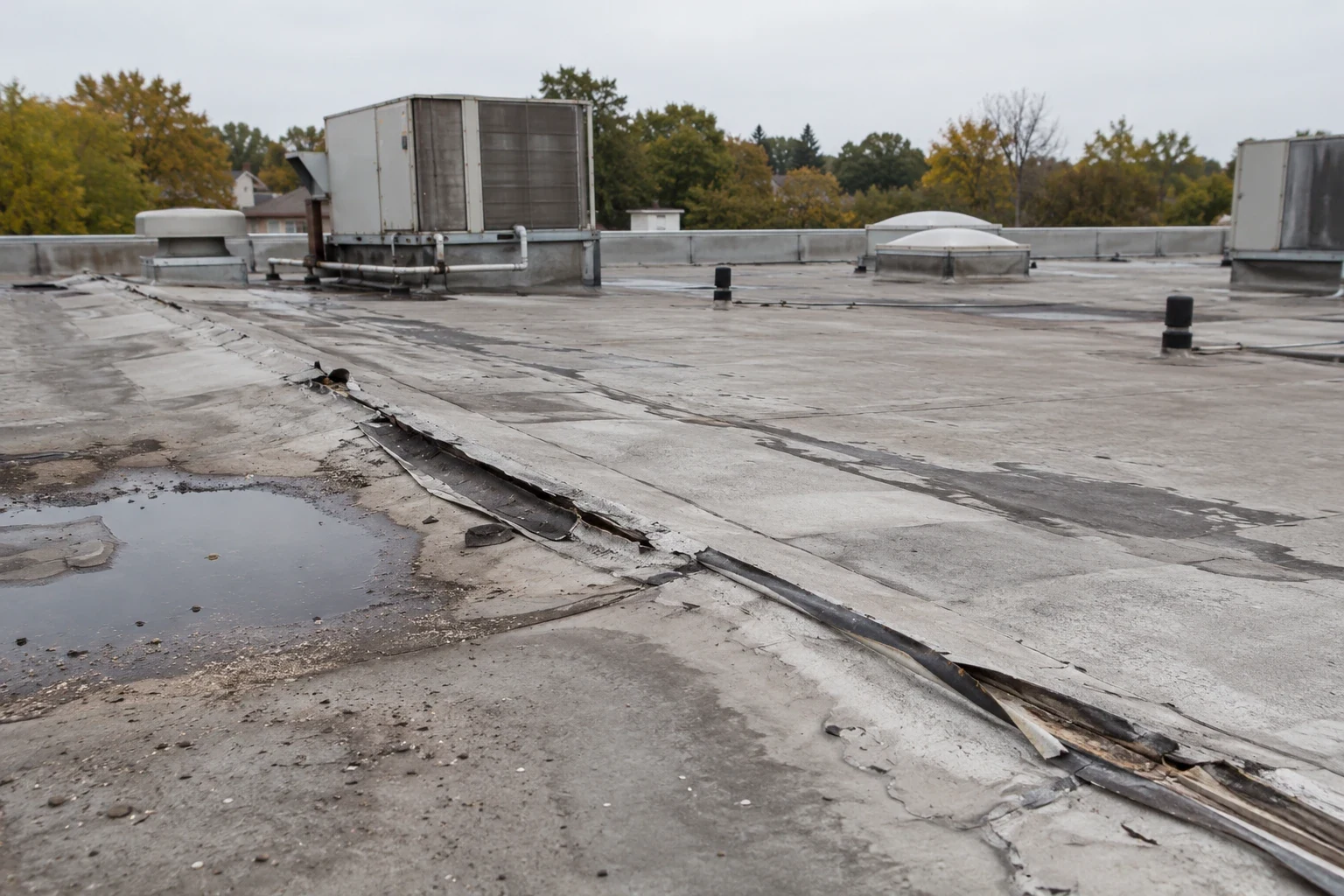
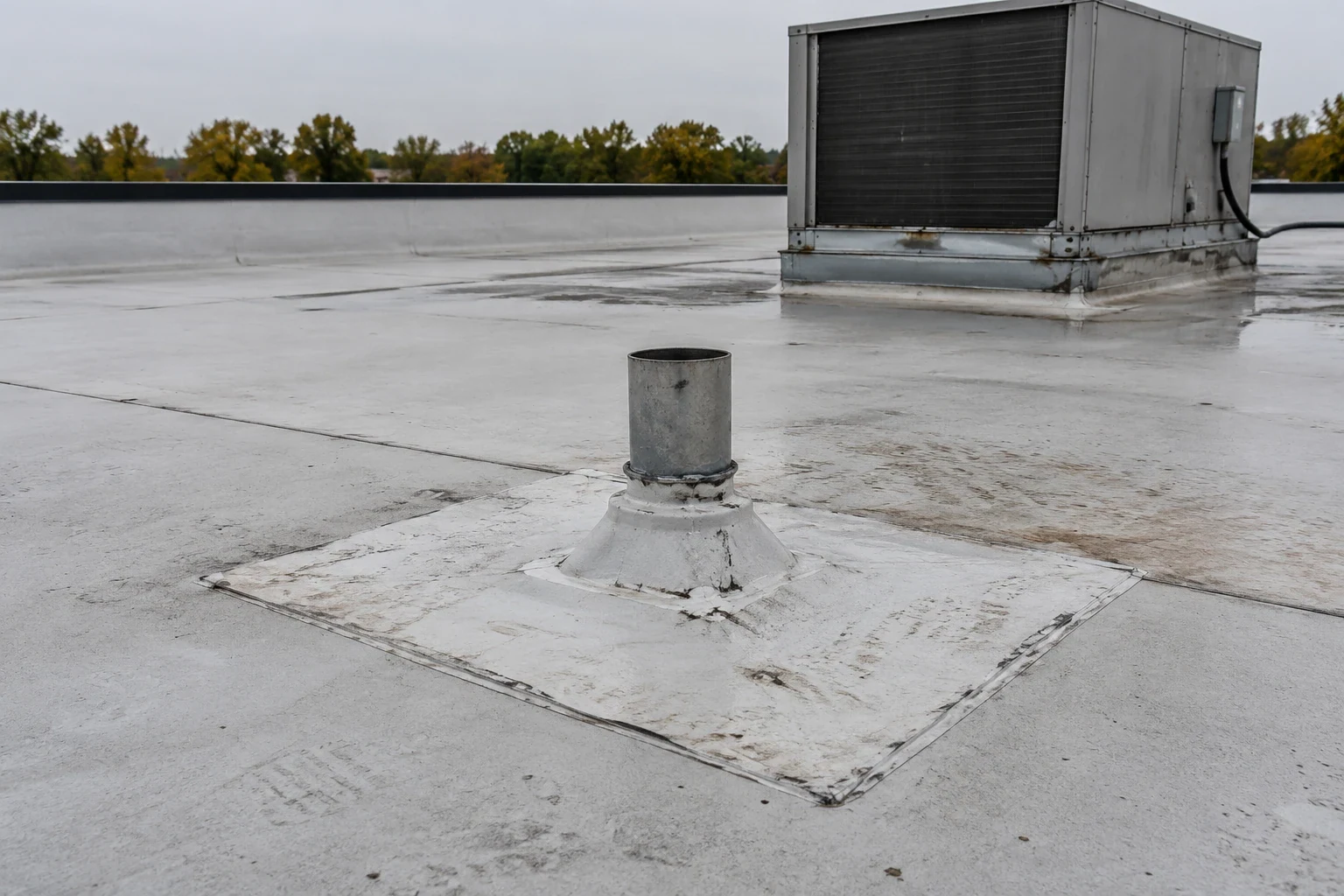
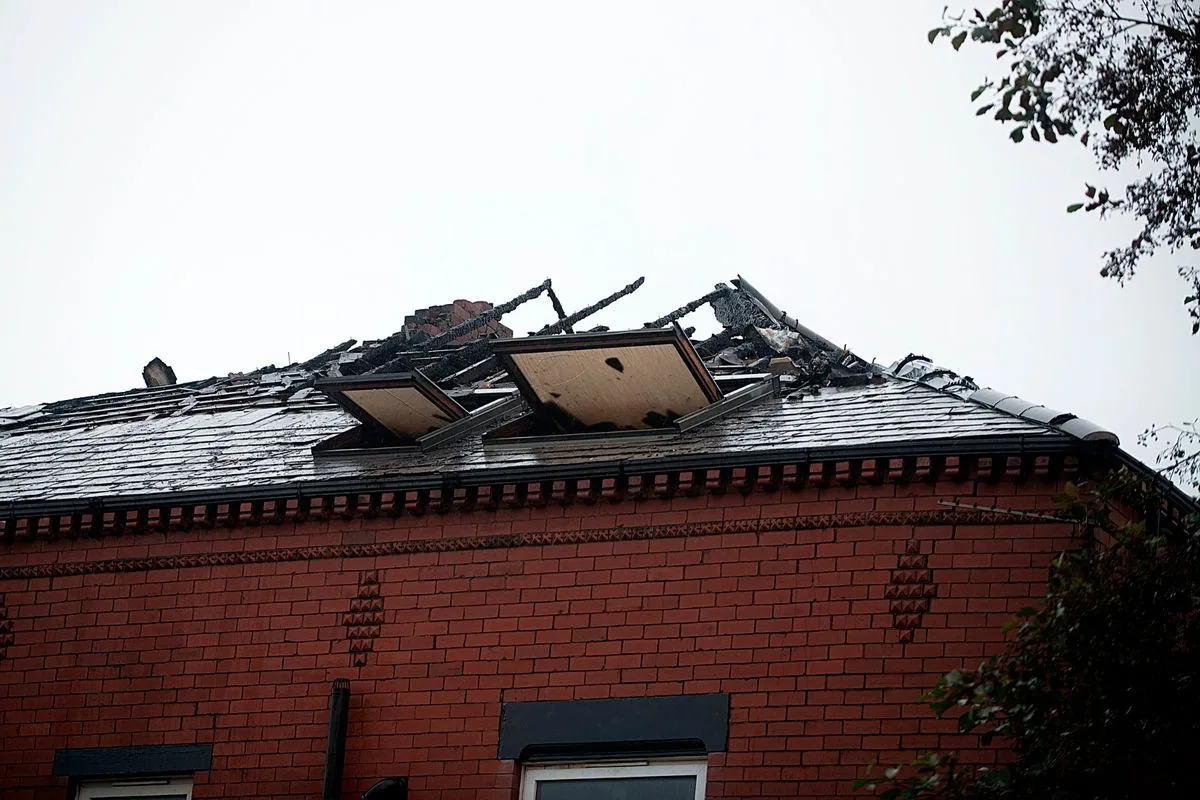
Wind and tornado damage
Wind damage shows at edges, corners and flashings, where uplift starts and peels a membrane back. Tornado damage is harsher: missing roof sections, torn decks and debris impact. The first job is to make the building weather-tight, with temporary cover and shoring where needed, and the permanent scope follows once the structure is checked.
Snow, ice and meltwater
Massachusetts lists roof and structure damage from the weight of snow and ice as a result of severe winter storms, and rates those storms as a high-likelihood hazard for the state. Westover Air Reserve Base measured 20 inches in the February 2013 storm. Snow and ice damage shows as torn flashing, crushed drains, split seams and sagging decks, and ice dams push meltwater under laps and edge metal. Clearing drain paths comes before any other repair.
Wear and detail failures
Many leaks come from wear, not events. Seam failures open where welds or laps were weak or where freeze-thaw movement pulled them apart. Flashing failures sit at curbs, walls and penetrations. Membrane punctures come from dropped tools and service traffic. Ponding water is a drainage problem that damages seams and surfaces over time.
Fire damage and records
Fire damage brings smoke, heat and suppression water into the roof assembly, so the deck and insulation are examined before a new membrane goes down. Every repair visit leaves a record: dated photographs, a plan showing where each finding sits and moisture readings where insulation may be wet. That record supports an insurance file and gives the next contractor a clear starting point.
Commercial Roofing Questions
How do you tell storm damage from age?
By the pattern. Storm marks follow the event's direction and fall on exposed surfaces, while age shows at seams, edges and high-wear paths.
What happens first after a wind event?
Edges, corners and flashings are secured and the membrane is checked for lifted sections. Loose metal comes down or gets fastened the same day.
Does a small puncture need a visit?
It needs prompt attention, since water through a small hole can wet insulation. A patch is quick, and a moisture check shows whether more is needed.
When is damage a sign for replacement?
When fractures are widespread, the deck is damaged or wet insulation covers a large share of the roof. Isolated damage on a sound roof calls for targeted repair.
Send photographs and the date of the event
Share what you see, when it started and which rooms are affected through the contact page, and we will schedule a roof walk and a damage record.