A roof system in Springfield, MA has to survive a winter before it has to survive anything else. Snow sits on it, meltwater refreezes in the drains, and the membrane flexes through cold mornings and warm afternoons. The state's own resilience plan names the weight of snow and ice on roofs as an impact of severe winter storms. So the system we recommend starts from the load, the drainage and the edge details, and the product comes after.

Roof Systems in Springfield, MA
Roof Systems

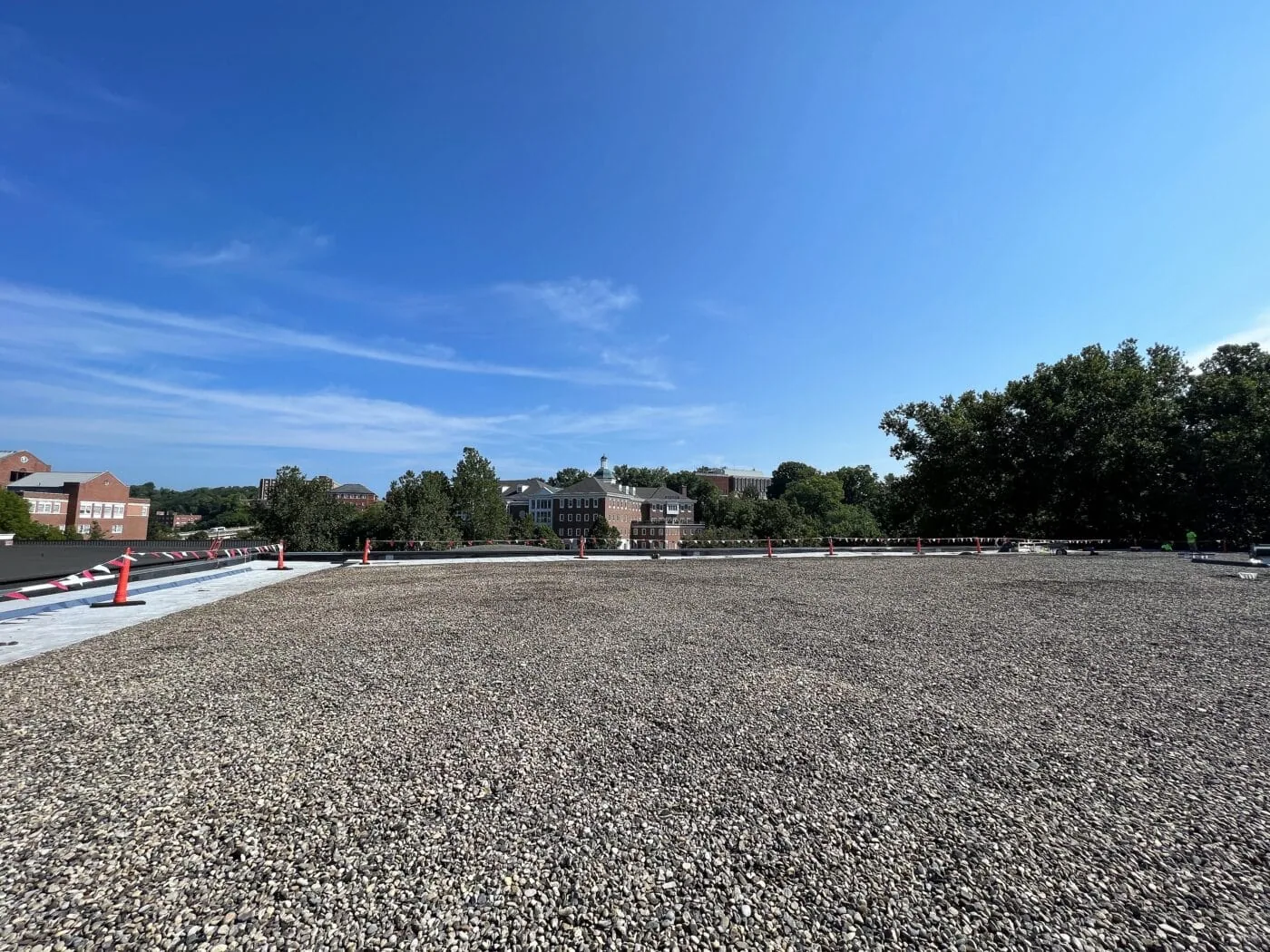
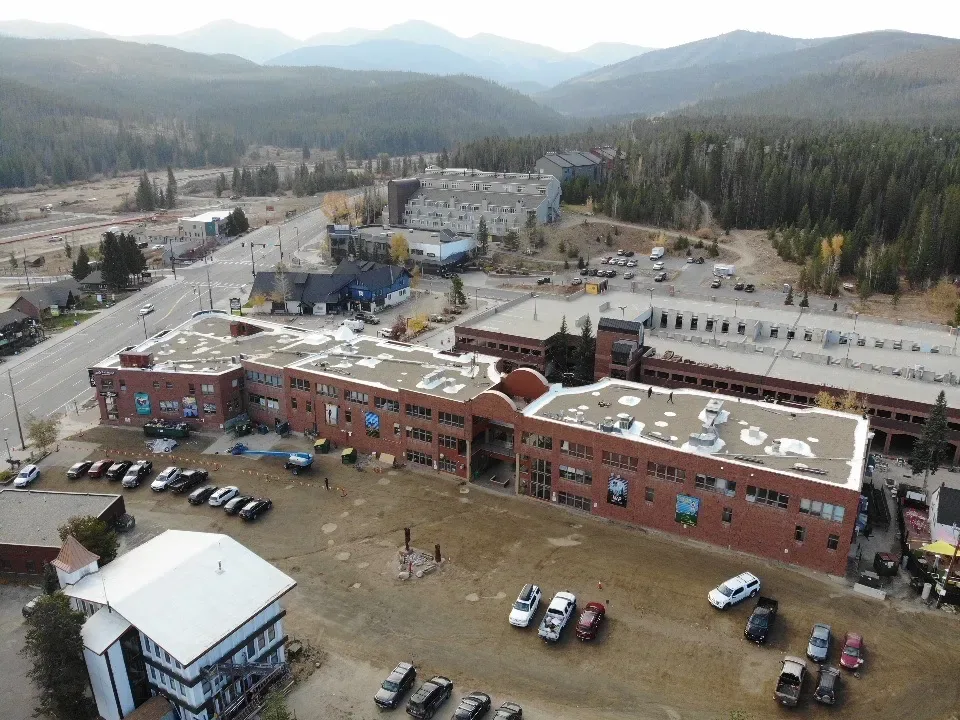
Single-ply membranes
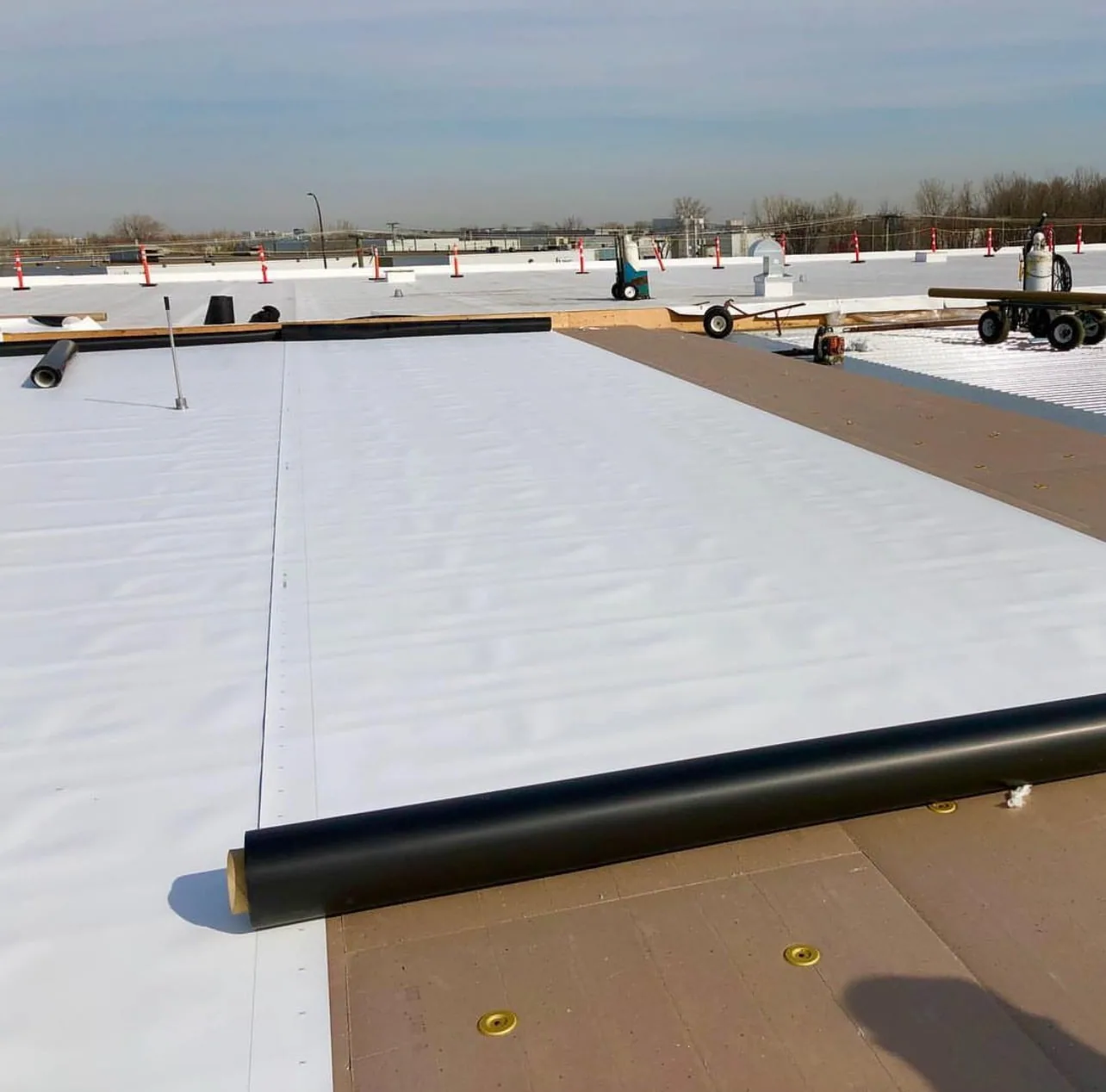
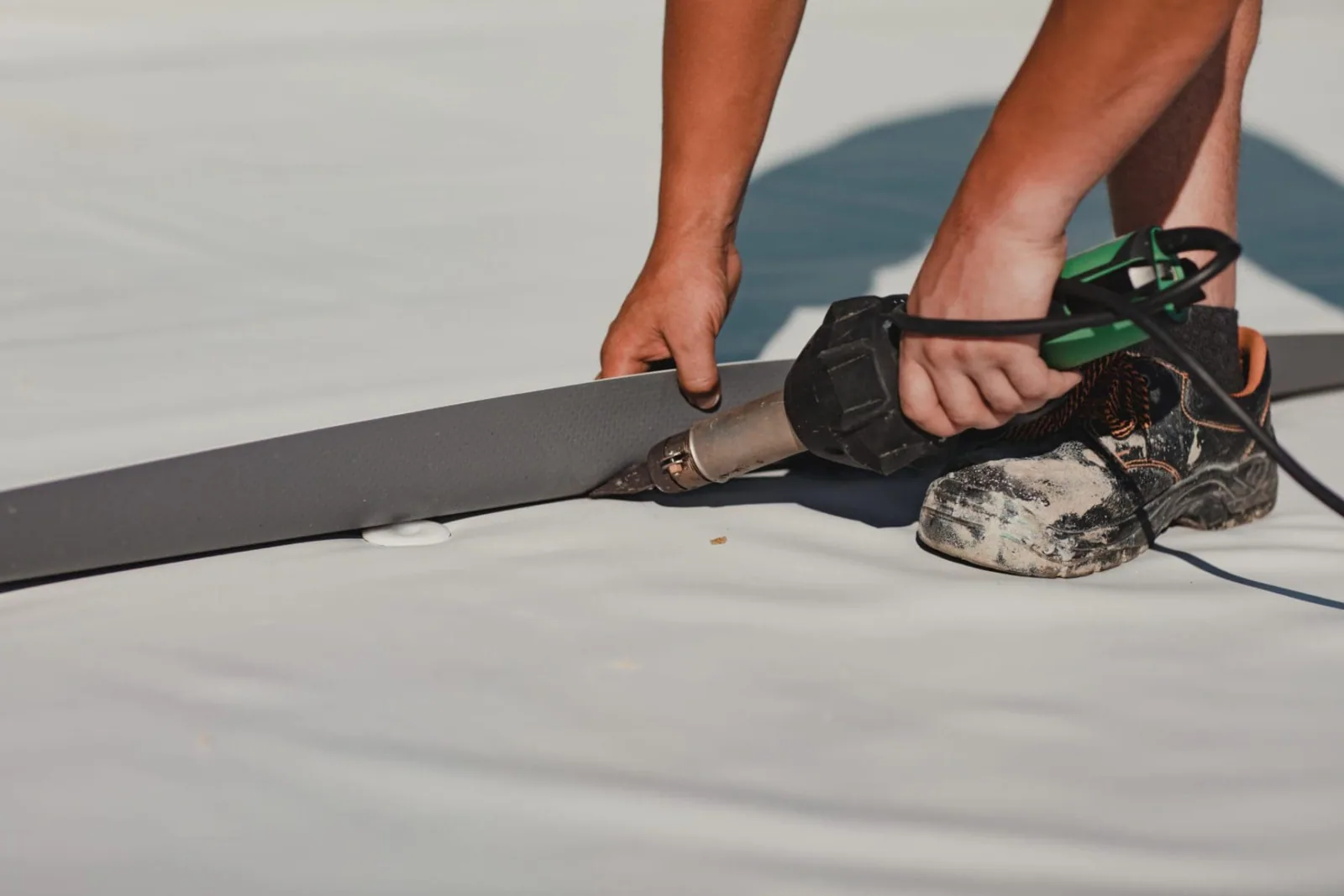
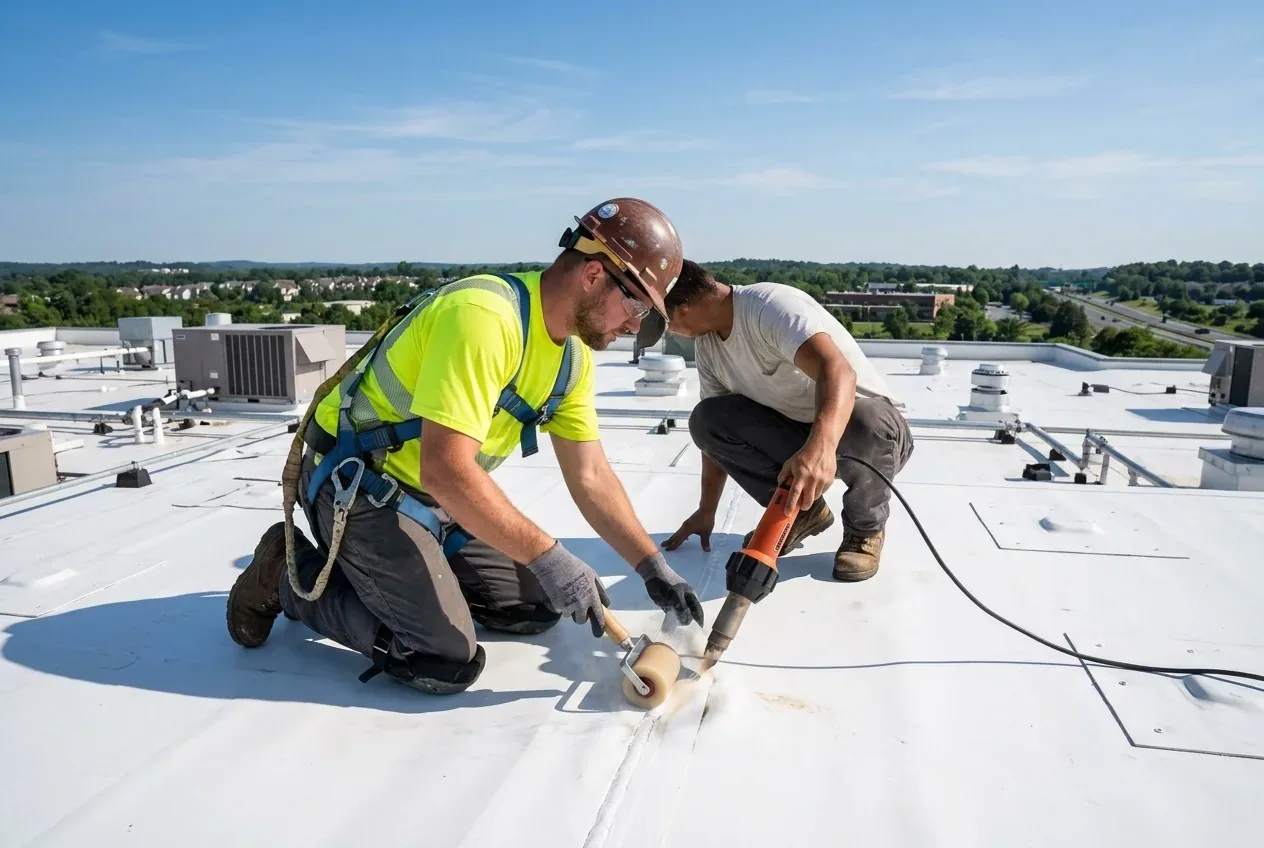
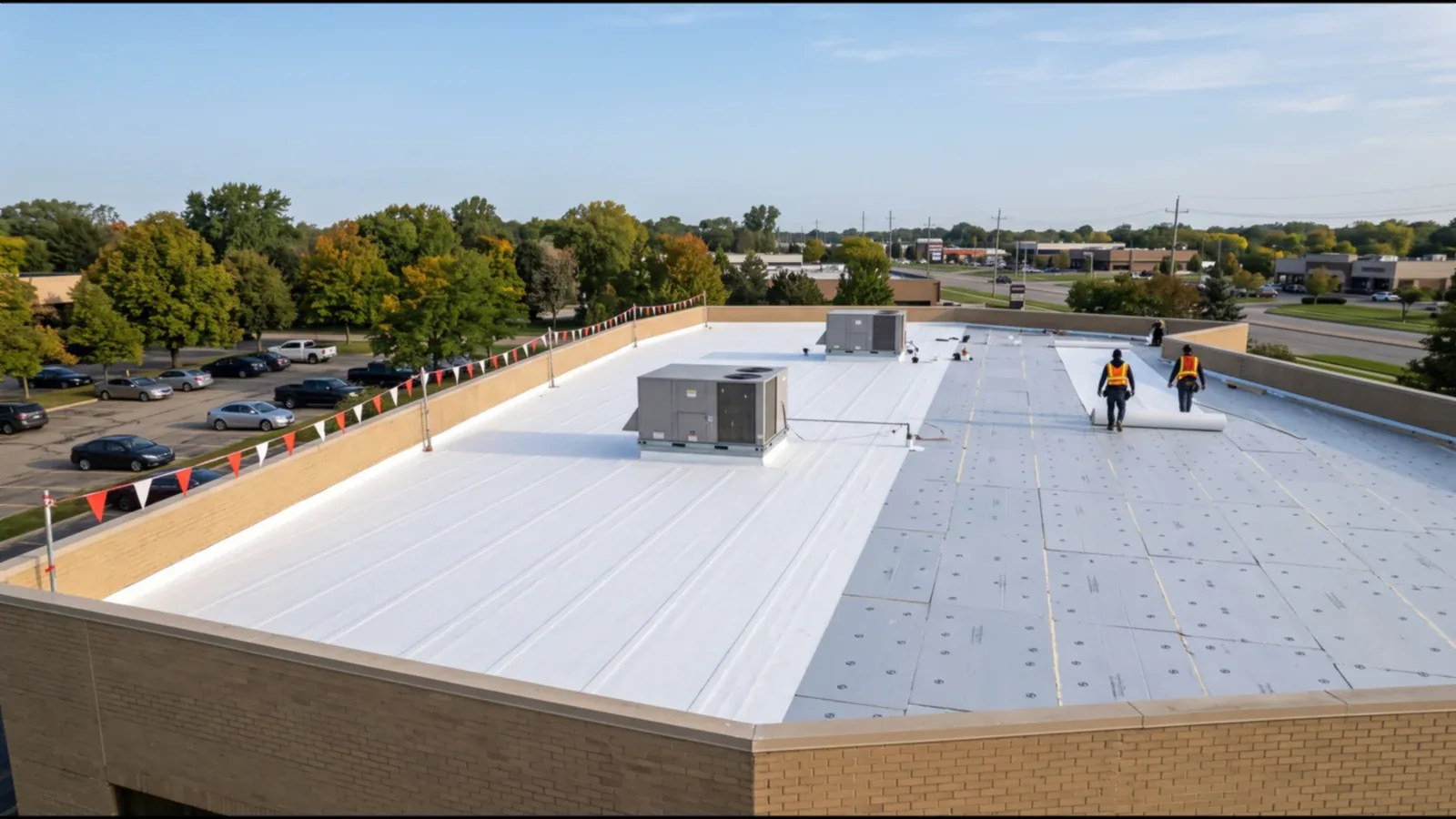
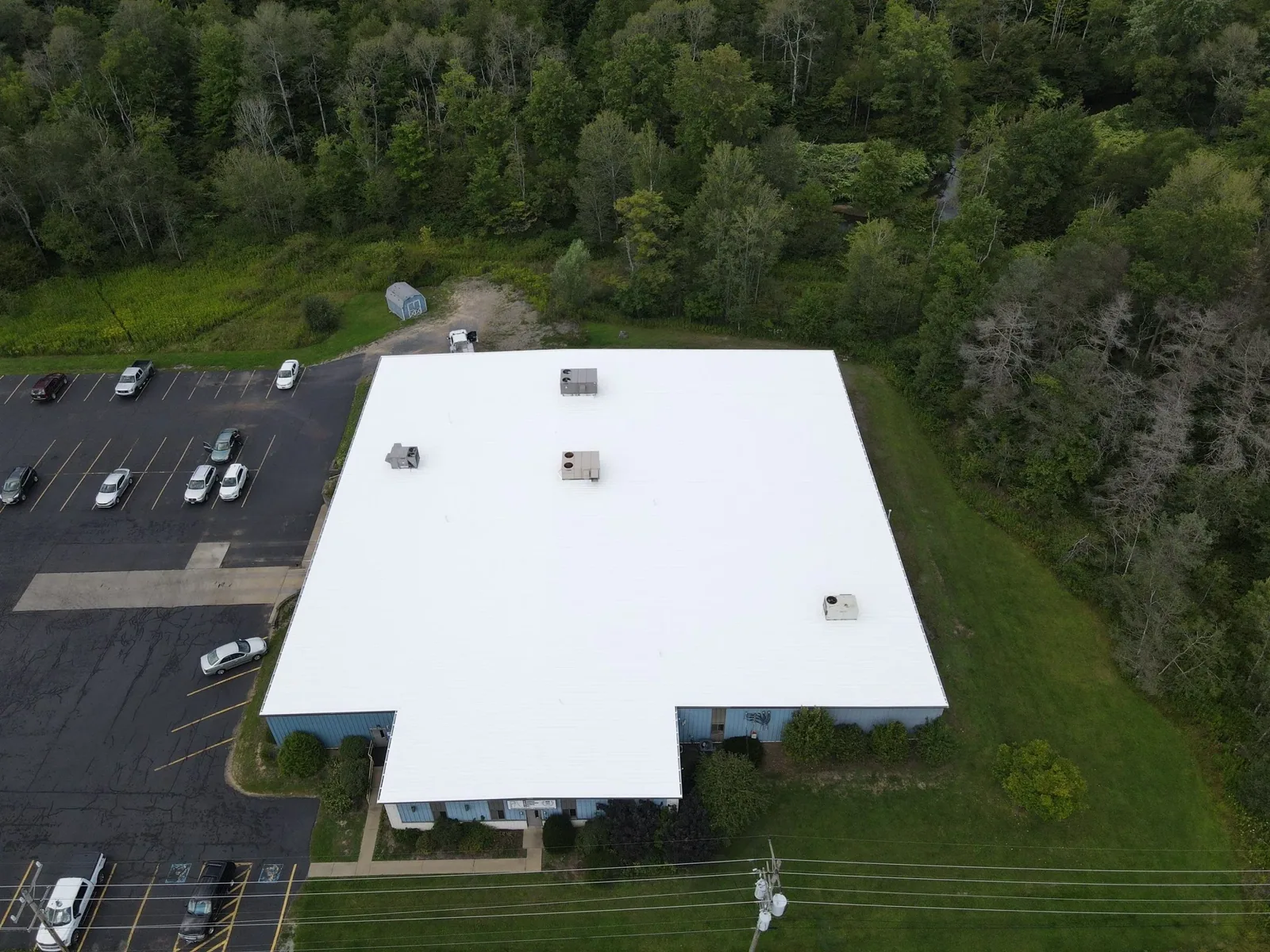
TPO is a white, heat-welded sheet for large low-slope roofs. PVC is welded too and resists grease, oils and chemical exhaust. EPDM is a rubber sheet that stays flexible in cold weather and has a long record on flat roofs. KEE is a plasticized sheet used where PVC-type exposure is a concern. On every one of them, the seams and the flashings are where leaks begin, so those get checked first.
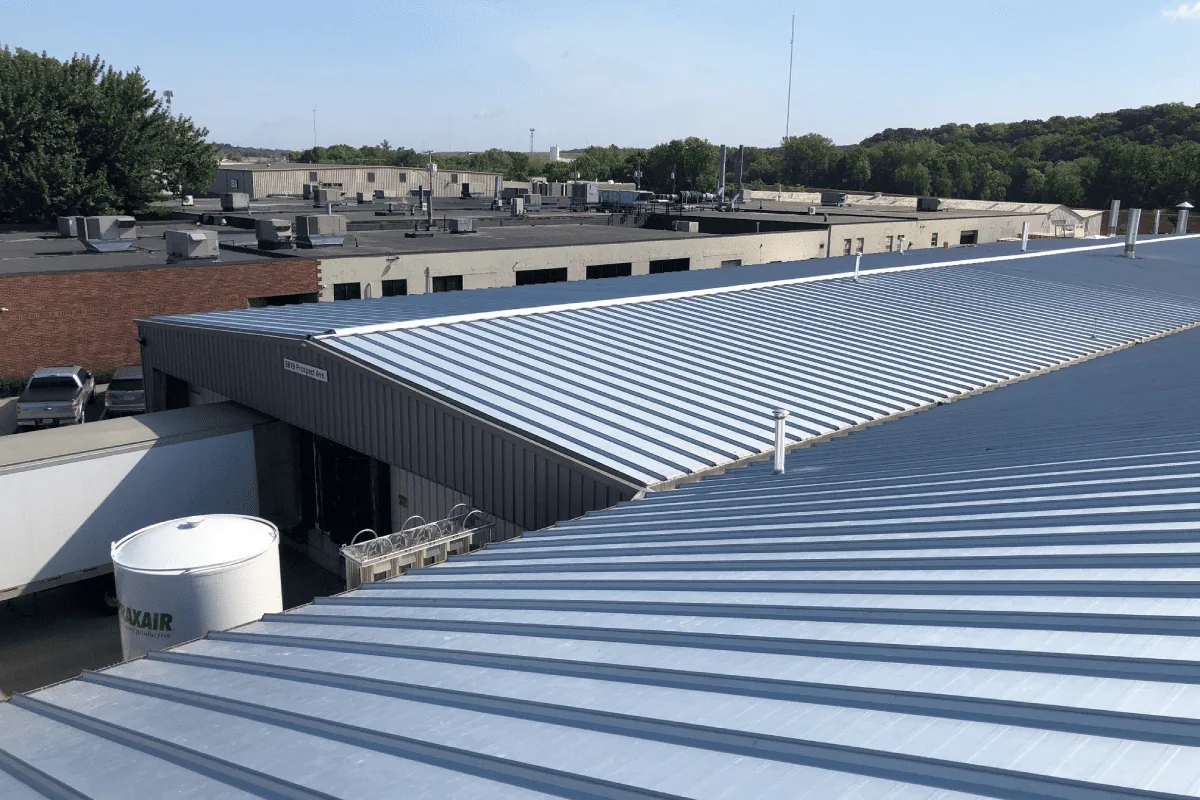
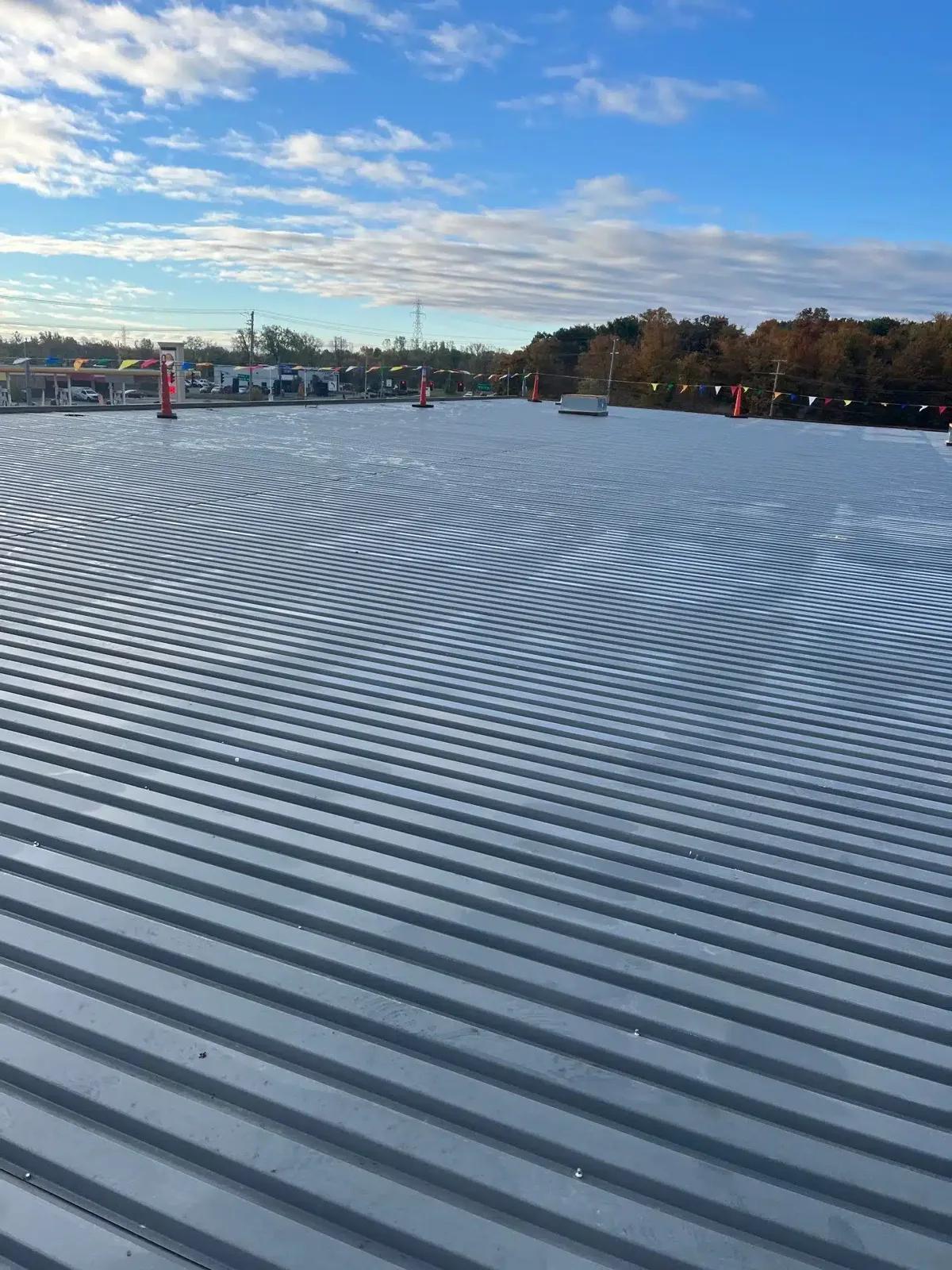
Layered asphalt and metal
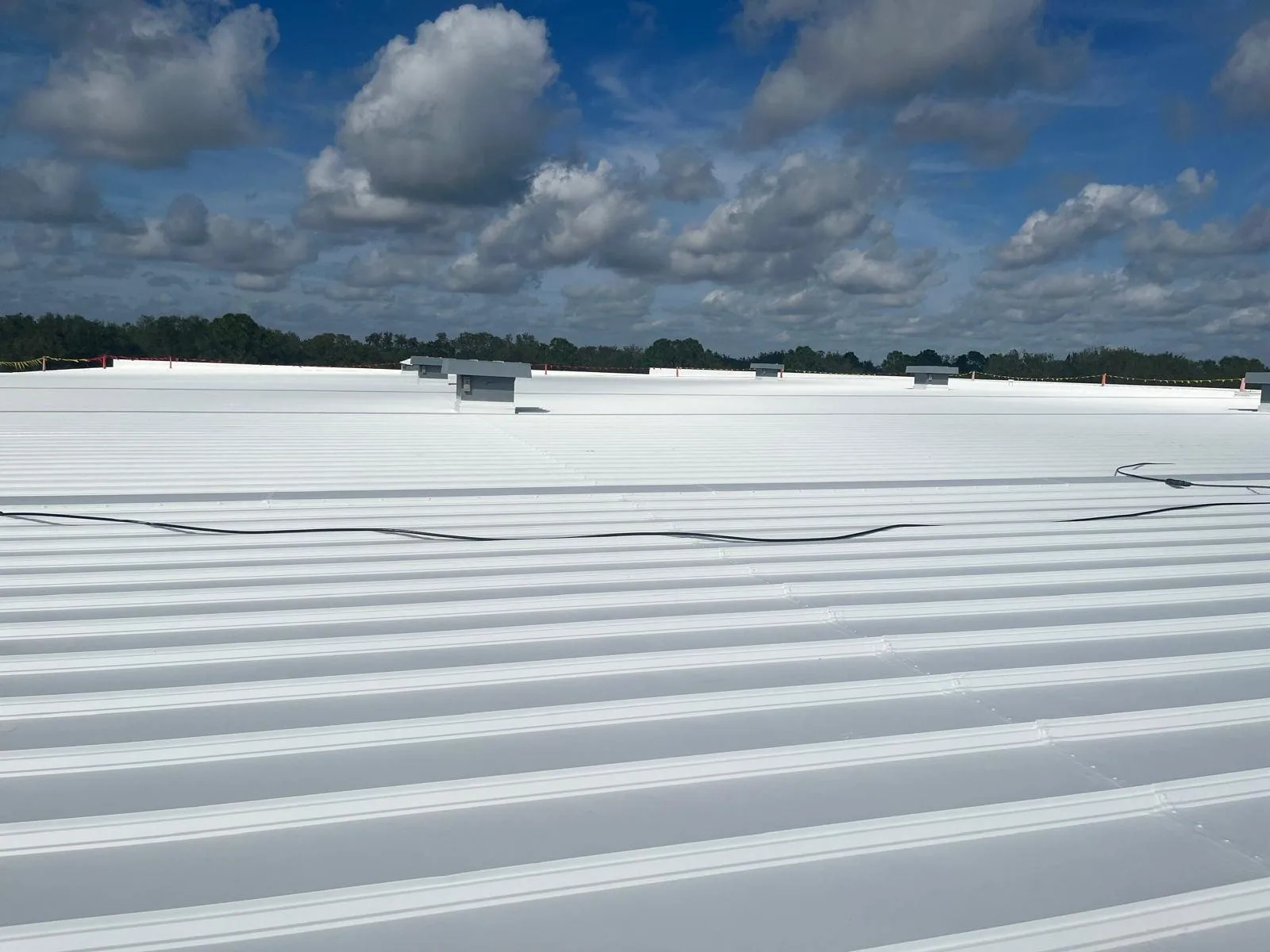
Modified bitumen and built-up roofing are multi-ply systems that tolerate foot traffic and repair well in sections. Metal comes as standing seam, with raised seams and concealed clips, or as a metal retrofit over an existing roof when the structure can carry it. On metal, snow retention and edge securement deserve a hard look, since sliding snow and high wind both test those details.
Foam and coatings
Spray polyurethane foam adds insulation and a continuous surface, and it needs a protective coating. Silicone coatings handle standing water, while acrylic coatings suit roofs that drain freely. Either needs a dry, clean, sound substrate, and winter limits the months when coatings can cure, so a coating job is scheduled for the warm season.
How the choice gets made
Slope, deck, drainage, exhaust, foot traffic and the owner's holding period all count. So does the wind history. The National Weather Service documented a June 2011 EF3 tornado that crossed Springfield and removed roofs from some large commercial brick buildings, which is why attachment and edge details matter here as much as the membrane itself.
Code sets the floor. Massachusetts enforces the 780 CMR 10th Edition, with the 2021 commercial energy code and state amendments, and the city's Building Division reviews plans and inspects repairs and alterations. Once a system is chosen, commercial roof replacement follows the manufacturer's installation rules on every detail.
Commercial Roofing Questions
Which system handles snow and ice best?
Any system works if the drainage and structure do. Sound slope to drains, clear scuppers and a deck rated for the load matter more than the brand of membrane.
Does freeze-thaw rule out any membrane?
No, but it affects seam and flashing choices. Flexible membranes and well-secured terminations hold up better through repeated cycles.
Can a coating be applied in winter?
Rarely. Most coatings need dry surfaces and warm temperatures to cure, so we schedule them for the warm season.
How is wind uplift handled?
By attachment pattern, edge metal and perimeter details, set to the code requirement for the building and checked at inspection.
Send the roof plan or a few photographs
Tell us the roof type if you know it, where the trouble is and when the building is occupied through the contact page, and we will plan a walk to confirm the system and the options.