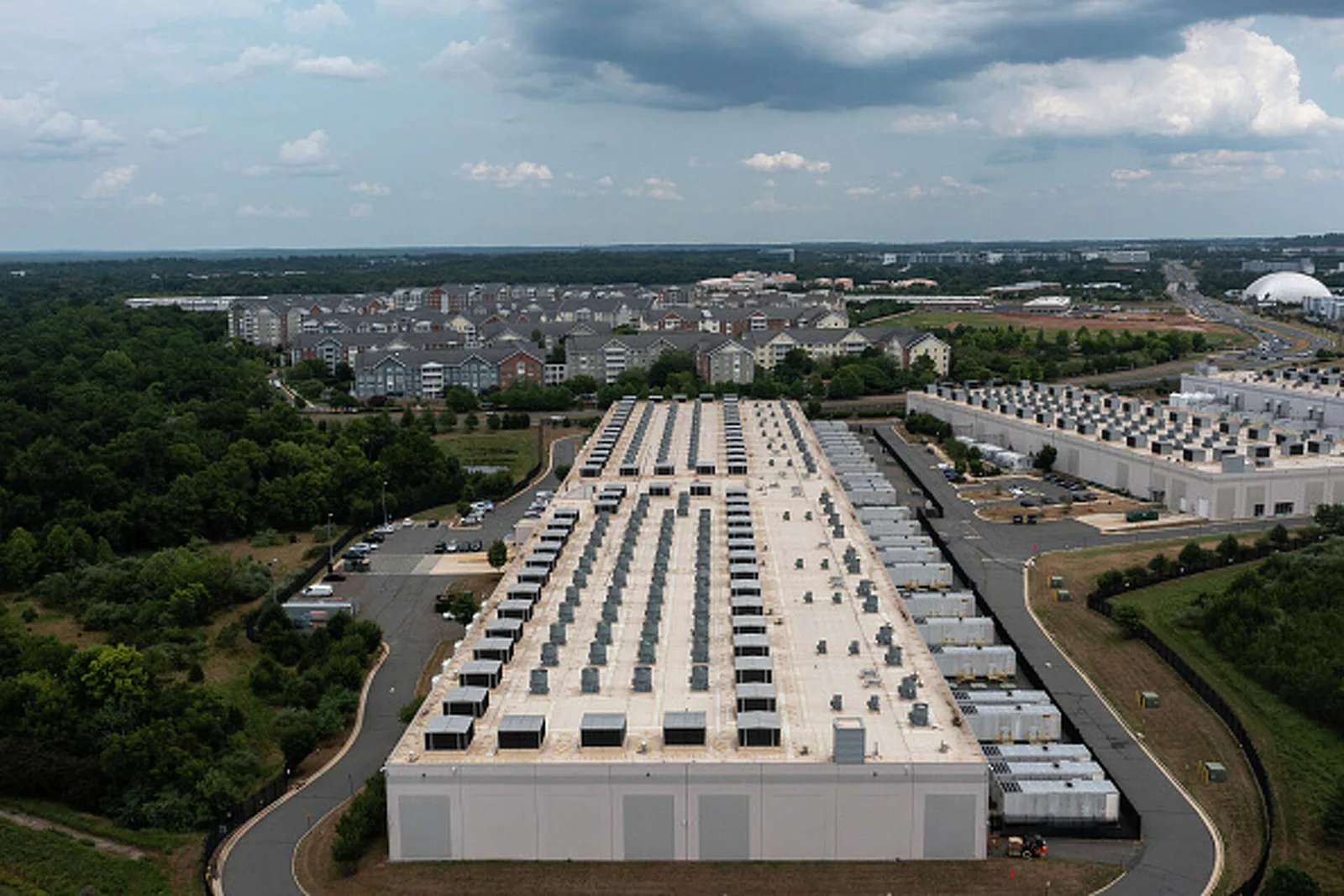
On a warehouse roof, the leak that costs the most is usually the one over racking, and it rarely sits where the stained pallet is. We start every Springfield, MA warehouse visit by asking where product is stored, how the building drains and what the dock schedule looks like, because those answers set the access route, the work zones and the order of repair. A big, quiet, low-slope roof can hide a lot: wet insulation under a dry-looking membrane, drains that were sized for lighter rain, and parapet corners that hold water against the wall. The inspection is a walk with a plan, a moisture meter and a marked drawing, not a tour. The general contractor, tenant or facility lead gets the findings on one sheet: what is wet, what is open, what can wait and what each item will cost to fix.
Follow the water to the drain
Large roofs concentrate a lot of water into a few outlets, and a heavy summer storm tests them before winter does. We follow the fall of the roof from its high point down to each drain, check strainers and overflow scuppers and look for debris from trucks, trees and rooftop equipment. If water stands after rain, we record depth and area, then decide whether the cause is a clogged drain, a sagging deck or insulation that has compressed.
The answer matters because each calls for a different fix. Cleaning an outlet is a maintenance item. Adding a drain or tapered insulation is a capital item. A sagging deck is a structural question that needs an engineer. Our roof drains and scuppers work separates those cases and puts each on its own line in the proposal.
Drains also fail from the inside. Interior leaders can crack, and a roof drain that discharges to a pipe frozen in winter will back up and flood the roof. We ask where the leaders run, whether any section has been heated, and whether the building has overflow scuppers through the parapet. A scupper that was blocked by a repair patch years ago is a common find and costs little to reopen.
Plan for snow drifts at roof steps and walls
The weight of snow and ice is a documented source of roof and structure damage in severe winter storms, and the state's 2023 hazard rating rates those storms a high-likelihood hazard. On a warehouse, the load is not uniform. Snow drifts against taller walls, penthouse enclosures and equipment, so those areas carry more weight and meltwater and need closer inspection of flashings and decking.
We mark every roof step and wall on the plan, check the membrane and flashing at each and note where drifts form. If a roof has shown deflection or repeated leaks along a wall, we flag it for the owner's engineer. After a heavy snowfall, snow and ice roof damage repair starts with a safe look at drains and low spots, not with a shovel. Foot traffic on a snow-covered roof is a safety problem, and a shovel through a membrane is a repair we avoid by planning the clearing before the storm arrives.
Warehouse roofs often carry skylights, smoke vents and roof hatches, and each is a drift trap and a leak source. We check the curb flashing, the glazing seals and the hatch gaskets while the snow load is visible, because that is when the drift pattern shows where the weakest detail sits.
Work around racking, docks and shifts
A warehouse is a working building. Forklifts, trucks and shift change decide when a crew can use a lift, where debris can fall and how much roof can be open. We ask for the dock schedule, the loading zones, the locations of sensitive inventory and any hours when noise or dust is not acceptable. Product that is sensitive to humidity or drips is listed by aisle so protection goes where the risk is highest, and we tell the foreman which aisles are under which roof section. Then we divide the roof into work zones that can be opened and closed within a shift.
Temporary protection stays on the roof until the end of each shift, and a crew member stays on the roof in the last hour to confirm that every edge and tie-in is sealed. If interior racking sits below a section being worked, we confirm that protection is in place and that a leak call has a route to the foreman. The daily closeout is a short written record. It includes a photograph of each open area sealed, the weather when the crew left and a note of any change in the scope.
Decide among repair, recover and replacement
Local leaks over dry insulation point to repair on a warehouse roof. A sound base under a worn membrane may take a roof recover overlay. Wet insulation in more than one area calls for removal there. An infrared survey draws the line before pricing, and cores confirm it. Where the structure allows, a recover saves tear-off and disposal and keeps the interior drier during the work; where the base is wet, it only hides the problem, and we say so.
Compared with an operation in a distribution center, where truck traffic and shifts are heavier, a warehouse may have more flexibility in hours, but the same drainage and moisture questions apply. For smaller bays with offices attached, flex industrial roofing adds office-roof details to the warehouse checks.
Write down what the building is
Along Roosevelt Avenue, the city's planning page describes an 85-acre East Springfield industrial site with potential industrial, commercial or office buildout up to 650,000 square feet. We verify each roof and keep a record of membrane, insulation, drains, curbs and repairs.
For owners in the Roosevelt Avenue corridor, or across the city line in Chicopee, which has four industrial parks with more than 50 companies by one development corporation's count, one record format lets a portfolio owner compare roofs and set the order of spending. Preventive roof maintenance visits keep the record current. A visit before winter and another after the thaw catch the clogs, cracks and open seams that cause the spring leak calls. The closeout sheet lists which aisles sat under which repaired section, so the next leak call starts with a map and not a search.
Commercial Roofing Questions
How do I find out why my warehouse roof leaks over one aisle?
Mark the aisle and the time of the leak, then give us access to the roof above and the area around it. We trace the water path from the stain along deck flutes, curbs and seams to the entry point.
Can a warehouse stay open during reroofing?
Usually. We plan work zones, protect racking and keep dock areas clear. Each zone is sealed at the end of the shift, and we agree on a stop signal with the foreman for storms or inventory moves.
Why do drains matter so much on a large roof?
A small drain problem becomes a large water load on a big surface. We check capacity, strainers and overflows and correct what limits flow.
What does snow do to a warehouse roof?
It adds weight, and drifts against walls and steps add more. It also melts into drains that may be frozen. We inspect those areas and clear drains.
What records should I give you?
Roof plans, repair invoices, warranty papers and a note of where leaks appeared. If none exist, we build a record on the first walk.