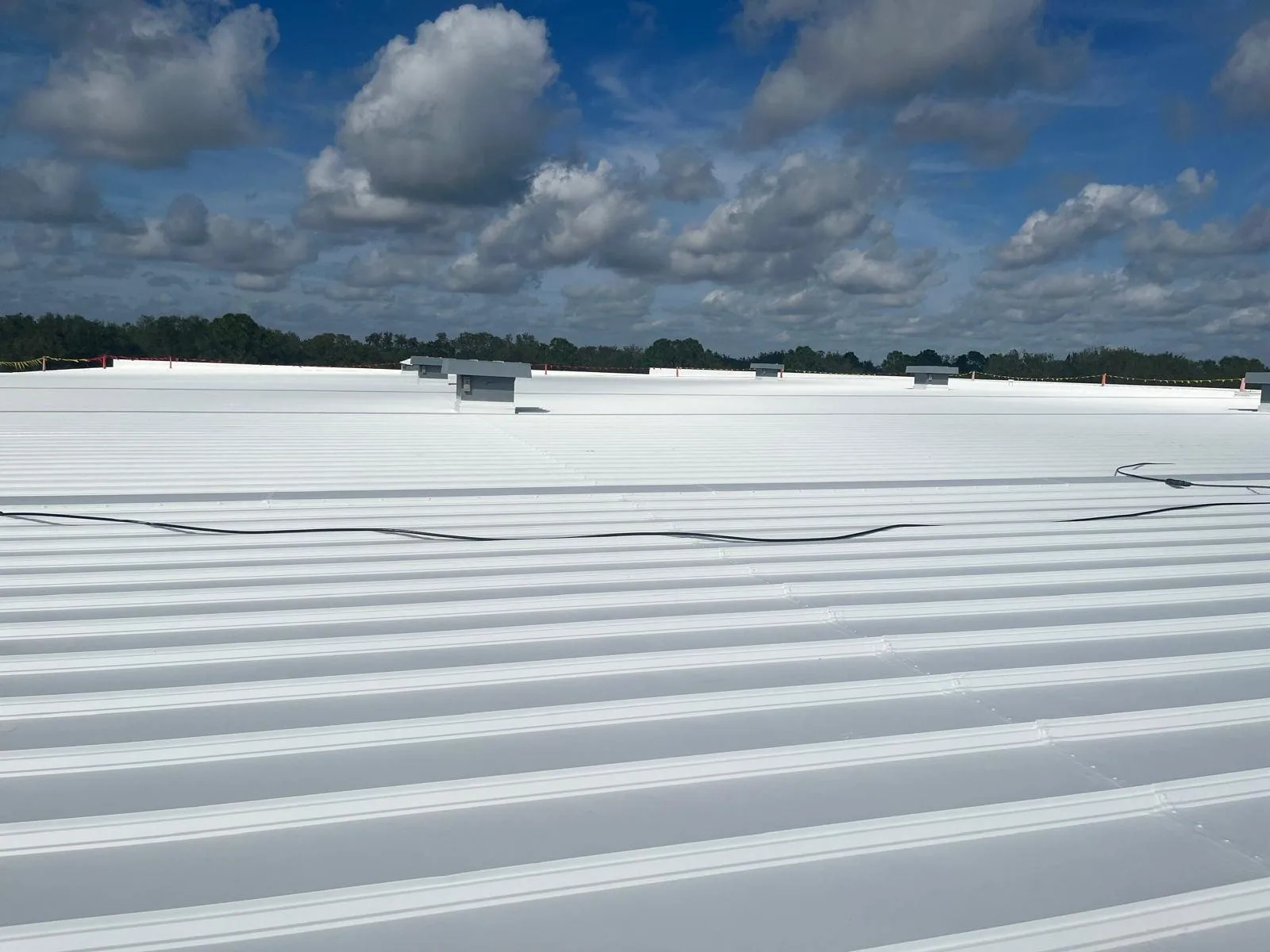
Bare spots where the granules have worn off a modified bitumen cap sheet are not a leak, but they tell us where the asphalt is aging under the sun, and the laps next to them are the next place we probe. On Springfield, MA flat roofs, modified bitumen is a layered system, an SBS rubberized or APP plastomeric sheet over a base ply and insulation, and its performance depends on the laps, the flashing and the drainage more than on the surface. We walk the roof with a probe and a moisture meter, mark every open lap and blister, then decide whether the roof needs a local repair, a recover or a new system. The same walk gives a general contractor the information needed to schedule hot work, fire watch and tenant notice, and it gives the owner a marked plan to hold against any later proposal.
Read the laps, blisters and splits
Mod-bit fails in recognizable ways. Side and end laps open when the bitumen loses adhesion. Blisters form where moisture or air gets trapped between plies and expand in the sun. Splits follow the line of movement in the insulation or at a deck joint, especially after freezing weather. We press each lap, tap each blister and trace each split to its ends.
A blister that is intact and dry can sometimes be left and monitored. A blister that has broken open is an entry point and needs cutting, drying and patching in layers that match the original. A split is a symptom of movement, so we look beneath it for the cause rather than patching the surface. The roof plan we draw shows each defect by type and location so the owner can see how the damage is distributed.
Flashings get the same treatment. Base flashing on modified bitumen roofs is usually a separate sheet turned up a wall or curb, and it fails at the top termination, at corners and where a patch was added later. We check that the counterflashing laps the base sheet, that the sealant is intact and that no wall movement has opened the joint. Many of the leaks traced to a field defect turn out to be flashing, and the repair is smaller than a field patch would have been.
Control heat, flame and fire watch
Torch-applied APP and some SBS systems use open flame, which requires a hot-work permit, a fire watch and a clear plan for what lies beneath the roof deck. In older downtown buildings with wood framing, combustible insulation or dense mechanical spaces, we often recommend a cold-applied adhesive or self-adhered system instead. The choice affects the schedule, the crew size and the insurance requirements, and it is made with the building owner and the insurer, not decided on the roof.
Plans for alterations and repairs go to the city's Building Division for review under the state code. In the Court Square downtown area, a central business district area covered by an urban renewal plan, a downtown setting makes the fire-safety plan part of the roofing scope. We document extinguisher placement, watch duration and the cool-down period after each shift. The permit file also records who signed off on the hot-work plan, since the person responsible for the building and the person responsible for the roof are rarely the same.
Cold-applied and self-adhered systems trade flame for other limits. They need clean, dry and primed substrates and a temperature range for adhesion, which narrows the working season. We lay out the calendar of suitable days so the owner knows when the roof can realistically be finished, and we price weather holds as their own line.
Keep water moving through the freeze
Modified bitumen is rugged, but standing water accelerates aging and ice can lift edges and flashings. Snow and ice load can damage roofs and structures in severe winter storms, the state resilience plan notes, and it rates such storms a high-likelihood hazard in Massachusetts. We inspect drains, scuppers and edge details, and we mark any area where water remains after a thaw as a candidate for tapered insulation or a corrected outlet.
Where the existing roof has accumulated layers over decades, we check the total weight and the number of plies, since added layers can exceed what the structure and code allow. A ponding water repair often begins with a core sample and a survey of deck deflection, followed by a correction that matches the roof's remaining life. If the structure is sound and the roof has years left, a tapered insulation overlay or a new outlet may be enough. If the roof is near its end, the correction belongs in the replacement scope.
Decide between repair, recover and replacement
A roof with local laps, a few blisters and dry insulation is a repair. A roof with widespread granule loss, many splits and aging flashings may be a candidate for a roof coating restoration if the base is sound, or for a new cap sheet over the existing system. A roof with wet insulation across multiple areas needs removal in those areas.
We compare the choice with a built-up roof, which uses multiple plies of asphalt and felt, and with single-ply systems. Mod-bit generally tolerates foot traffic and minor puncture better than thin single-ply sheets, which matters on roofs with frequent service. We price each option with its access needs, and we state which one fits the building's remaining life. Where the owner wants a single-ply alternative with welded seams and no open flame, TPO roofing or EPDM roofing are the usual comparisons, and each changes the tie-in details at walls and curbs.
Protect occupants and close the record
Smell, noise and heat reach interior spaces during mod-bit work. We plan intake shutdowns, set work hours around tenants and brief building staff before each phase, with a named contact for complaints and a clear stop rule if odor reaches a sensitive space. On the Northeast Downtown District streets covered by the city's 2021 plan, ground-floor storefront frontages make staging and debris control part of the daily plan.
The closeout record lists each ply installed, the fastening or adhesive method, laps tested, flashing details and photographs. It names the next inspection trigger, such as after the first hard freeze or after a major wind event. If the building is occupied, our occupied building reroofing notes explain how each shift was closed.
Commercial Roofing Questions
Do I need a torch for modified bitumen?
No. Cold-applied adhesive and self-adhered sheets are options where open flame is a concern. Torch work needs a hot-work permit and fire watch. The choice depends on the building, the insurer and the structure.
What does a blister mean?
It means moisture or air is trapped between plies. An intact, dry blister can be watched. A broken one is an entry point and needs cutting, drying and patching.
Can granule loss be repaired?
Surface wear can be restored with coating if the base is sound and dry. We test adhesion first. If the membrane is cracked or the insulation is wet, coating hides the problem.
How many layers can a roof carry?
It depends on the structure and the code. We count existing layers with a test cut and review limits before recommending a recover.
What timing works best for mod-bit work in New England?
Warm, dry days make adhesion and lap work easier. In cold weather we use temporary protection and schedule critical laps for suitable days.