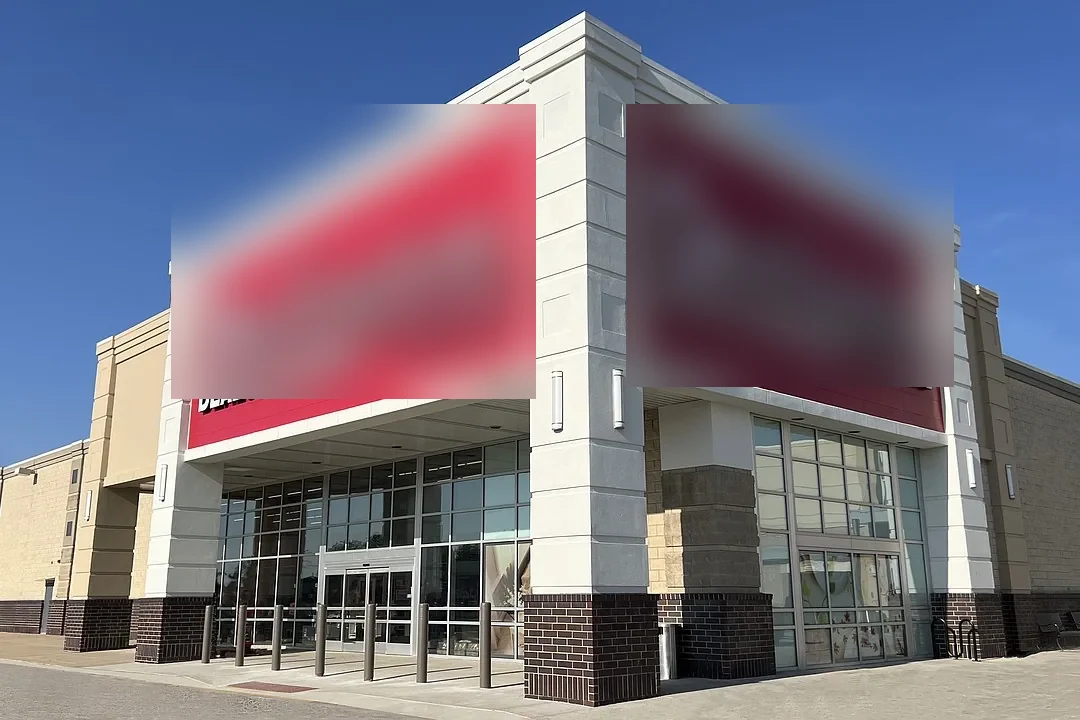
A dock-edge leak looks small until it lands on a pallet of customer inventory. In a logistics building, the roof edge above the doors is where wind, runoff and truck traffic meet, and the stored goods below belong to someone else. Springfield, MA sits at the crossing of I-91 and I-291, with industrial land in the North End and the east, and a logistics building there has docks, racking and a freight calendar that all depend on a dry roof. We begin at the dock edge, then work inward along the drain path to find where water enters and how far it travels.
Protect stored goods first
The first consequence of a leak in a 3PL building is a claim, not a repair bill. Water over racking can ruin packaged goods, soak cartons and trigger a customer notice. We ask which aisles hold sensitive product, which racks sit below known leak points and what the operator can move before a storm. Then we set temporary protection, such as covers over racking and a catch point for drips, while the permanent fix is planned.
The roof itself needs a quick read. We trace the stain to the matching roof section, then check drains, seams, curbs and edges. Wet insulation is mapped with infrared and meters, and the boundary goes on the roof plan so the operator knows which bays are affected and which are not.
That map also helps the customer conversation. An operator who can say that the wet area covers two bays, that racking in the others is dry and that a temporary tie-in is in place has a better answer for a client than one who can only say the roof leaks. We keep the photographs and readings in a form that can be forwarded.
Read the corridors and the weather together
I-91 and I-291 frame and cross major parts of Springfield's downtown and North End commercial geography. The city's planning page for the Smith & Wesson industrial site, which fronts Roosevelt Avenue and shows from I-291, also references Route 20A and the Massachusetts Turnpike. In Chicopee, the Westover Metropolitan Development Corporation reports four industrial parks with more than 50 companies and over 3,200 employees. Those routes and parks shape how trucks arrive and where cranes can stand, which we settle before a work date is set.
Weather decides the rest. The 2023 state hazard analysis ranks severe winter storms high on likelihood and names snow and ice weight on roofs as one result. Long, low-slope warehouse roofs collect drifts against taller walls and around equipment, and meltwater runs to drains that may be frozen.
Inspect the edge, the drains and the field in that order
A logistics roof is mostly field, with a few high-risk details. We walk the dock edge first, checking coping, counterflashing, canopy tie-ins and downspouts. Next come the drains, scuppers and overflows, where blocked outlets create ponds that load the deck and work on seams. Then we cover the field: membrane condition, seams, fasteners, skylights and equipment curbs.
Moisture mapping covers the whole roof, because a leak near the dock may come from a section far away. Test openings confirm the readings. We photograph every finding with a position tag, and the scope that follows lists each repair limit and each open question.
Fix the dock edge as its own detail
The dock edge takes more abuse than any other part of a logistics roof. Wind scours it, runoff pours over it, and the wall below is often steel or precast with its own movement. We check the coping for open joints, the counterflashing for pull-out and the membrane termination for lift. At canopies, we look at the tie-in between the canopy and the wall, since water running down the wall finds that joint first.
Gutters and downspouts get a look as well. A downspout that discharges at a dock apron sends water across the lane where trucks back in, and in freezing weather that water becomes ice. We confirm that leaders are open, that discharge points are clear of work areas and that heat tape, where installed, is working. If edge metal needs replacement, we match the profile and fasten it to solid backing, then seal the joints with a compatible sealant.
Snow-melt behavior is the last check. Where a drift sits above a dock door and releases in a slab, we mark the area, advise on guards and note it on the plan, since a falling slab is a safety issue as well as a roofing one.
Match the scope to the lease and the freight calendar
Scope decisions in logistics are tied to leases and peak seasons, and a landlord and an operator may not share the same time horizon. A repair can usually be done in days and may suit a tenant with a short lease. A recover adds a new layer over a dry roof and avoids tear-off debris. A replacement resets the system and suits an owner who plans to hold the building. We show each option with its duration, its access needs and its effect on dock operations, so the operator and the landlord can agree on a plan before the peak season starts.
Where the roof edge, gutters or scuppers are the failure point, edge metal, coping and gutter work can be scoped on its own.
Keep trucks moving while the roof is open
We plan around the dock schedule. Lift positions stay clear of truck turning space, material staging sits away from active doors, and debris containers go where they do not block a bay. Work over active docks is timed for lulls, and we place guards or covers over door openings where debris could fall. Night and weekend shifts are common in logistics, so we ask which hours are quiet and which are not. Trailer drop yards, reefer units and idling trucks add noise and exhaust near roof intakes and work areas, and the plan names where each sits during the work.
Each roof section is opened and closed within a day, with a temporary tie-in at every edge and a closeout walk before the crew leaves. Cold limits adhesives, ice at the eave is a fall risk and wind can stop hoisting, so a storm day is built into the winter calendar.
Hand the operator a usable file
The closeout file holds a roof plan keyed to sections, repair photographs, product records, test results and the follow-up list. The operator can attach it to a customer incident report or a landlord request. Operators with several sites can use the same format to compare buildings, as manufacturers with multiple plants do, and landlords of mixed-use buildings can pass it to property management companies without rewriting it. For buildings in Chicopee and the North End, the same structure applies.
Commercial Roofing Questions
Can the roof be worked on while docks stay open?
Usually, with lift positions, staging and debris routes kept away from truck paths and covers placed over door openings where needed.
How do we protect inventory during a leak?
Cover or move product under the leak point, place a catch for drips and call us with the stain location. We trace the water path and set temporary protection.
Who decides between repair and replacement?
The landlord and the operator, using our written comparison. It states scope, duration and dock impact for each option.
What happens during peak season?
Planned work is scheduled to finish before peak, and urgent leaks get temporary protection until a quiet period allows the permanent repair.
Do you work at night?
When the plan and the building rules allow it. Night work needs lighting, fall protection and a clear communication plan with the site.