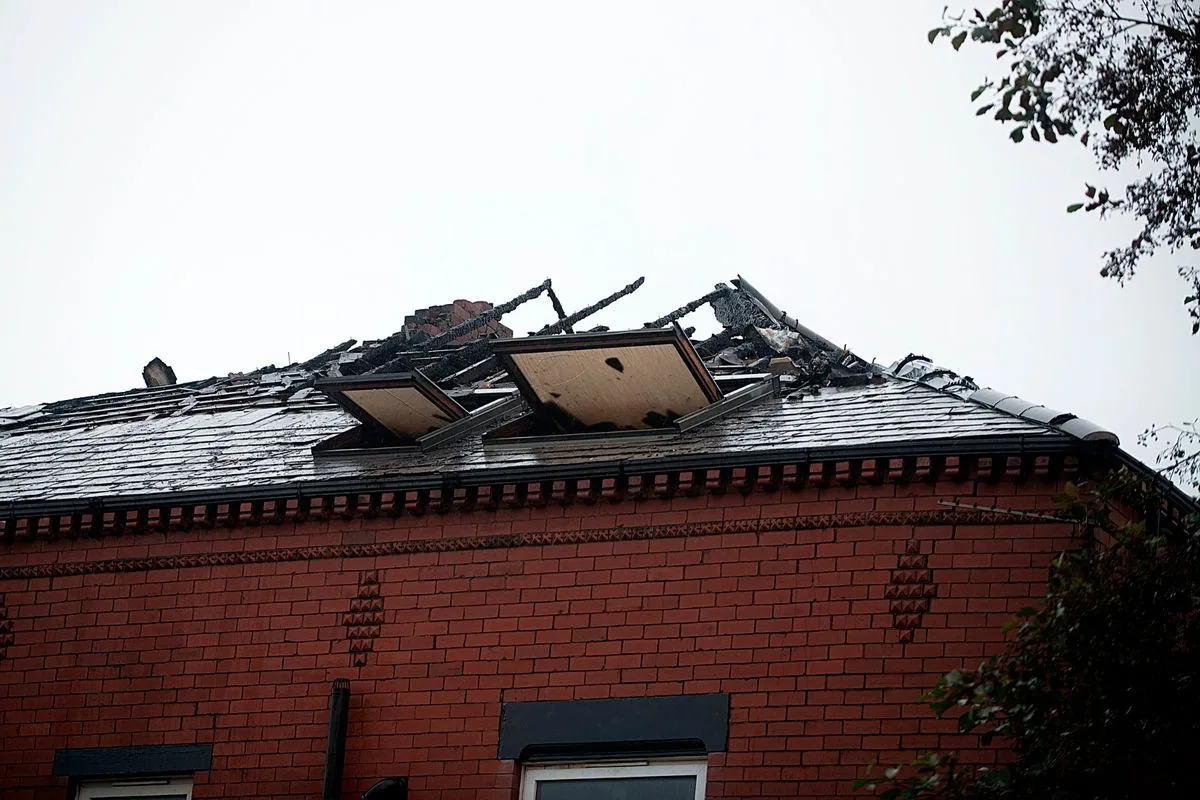
An open lap is a path, but it is not yet a repair boundary. We inspect how far the seam has separated, whether water has reached the insulation, and what holds the membrane at the edge. The June 2011 EF3 event tore roofing from commercial brick structures in Springfield, making a post-storm lap and perimeter check a useful first step. A roof near the Medical District may sit above an active facility; along State Street, deliveries and lift placement can affect the work window. We mark the open section, test the adjoining material, and protect the tie-in before the crew leaves. The repair should restore the seam without hiding movement or wet material beneath it.
Read the seam condition
We look for an open edge, fishmouth, wrinkle, contamination, adhesive loss, failed weld, or a patch that has released at its perimeter. The inspection follows the seam in both directions and checks nearby changes in plane, drains, and penetrations. A hand probe or weld test can help evaluate a thermoplastic lap; an adhesive system needs a different check. We record the roof type and attachment instead of assuming every dark line or surface split is a failed seam.
Interior evidence matters, but its location may not match the opening. A stain can appear after wind-driven rain while water travels along insulation or a deck flute. We compare the report with roof geometry and the timing of the leak, then inspect the likely entry route. A leak investigation may include a test cut if concealed moisture would change the work. If the seam ends at a wall or curb, a flashing inspection checks that separate transition.
Determine why the lap separated
Seams can open after poor preparation, incompatible repair material, movement, water exposure, or loss of bond. On mechanically attached systems, movement between attachment points can stress the lap. On adhered roofs, adhesive condition and surface contamination can affect the bond. We inspect the membrane beside the failure and verify the substrate before selecting a repair method. A new weld over dirty or degraded material will not create a dependable tie-in.
The state’s severe-winter analysis identifies damage from snow and ice weight as an infrastructure impact. A seam that remains wet through freeze and thaw may show a different failure pattern from a lap opened by wind. We check whether the membrane is brittle, whether the area is holding water, and whether insulation beneath it is sound. For a broader drainage issue, ponding-water repair may be part of the investigation. We keep the water cause separate from the seam condition when both are present.
After severe wind, the edge and field seam may have different levels of movement. Springfield’s June 1, 2011 EF3 tornado crossed the Connecticut River at Memorial Avenue Bridge and caused extensive south-side downtown damage. I-91 and I-291 frame downtown and North End commercial geography. Those facts guide where a post-event check may be useful, while the actual repair still depends on the lap and attachment observed at the property.
Prepare a sound tie-in
We remove loose or contaminated material until the remaining membrane can accept the selected repair. The method follows the system: thermoplastic laps may be cleaned and rewelded with a compatible membrane strip; an adhered or modified bitumen assembly needs materials suited to its surface and temperature limits. We test the seam before closing a larger area and reinforce corners or transitions where movement concentrates. A patch should extend onto sound material far enough to form a secure bond.
If insulation is wet, we cut back to a dry and stable boundary and replace material to match the assembly. The deck is checked where the roof has softened, corroded, or lost attachment. Insulation and cover-board work may be needed before the membrane closes. We document what was opened and what stayed in place, so the owner can distinguish a localized seam fix from a hidden-area repair. The finished detail receives a final probe or other system-appropriate check.
At an occupied building, we divide the roof into workable sections and protect each tie-in at the end of a shift. The site contact confirms access, tenant hours, and equipment routes. Occupied-building sequencing can reduce disruption, but it does not change the need to leave the seam secure and the work area clear. If weather closes the window, we record the temporary limit and return condition.
Compare repair with renewal
One failed lap in an otherwise sound assembly can be repaired locally. Repeated openings, widespread bond loss, brittle membrane, or wet insulation across multiple sections may justify a larger comparison. We map each location and note whether failures cluster at seams, edges, or penetrations. That pattern helps determine whether a repair program, recover, or replacement fits the roof and the owner’s timing.
A commercial repair scope can address verified seams and adjacent details. If the existing assembly has several layers or uncertain attachment, recover planning needs an inspection of the substrate and code implications. If the repair needs a permit, the City reviews the proposed scope and may inspect the finished alteration. We provide the owner’s project team with work limits early enough to include that coordination in the schedule.
Document the completed work
The closeout identifies each repaired seam by roof section and records the material, preparation, tie-in width, and test result. Photographs show the original opening and the finished lap. If a test cut revealed wet insulation or a deck concern, we note the area and the action taken. Any unresolved section appears as an open item rather than being grouped with completed work.
Cost and timing turn on the number of seams, system type, access, moisture extent, and whether other trades must move equipment. A small weld repair can be completed faster than a seam that requires insulation replacement and interior protection. We separate those drivers in the scope. A condition report can help the facilities team track the repair alongside the wider roof inventory, and a maintenance visit can check nearby seams and drainage during the next planned access.
Before leaving, we clear loose material from the roof and confirm the drain path is open. The site contact receives the work boundary, photos, and any follow-up trigger such as new moisture or seam movement. That record gives the next inspection a precise place to start.
Commercial Roofing Questions
Can an open seam be rewelded?
Membrane type and condition set the answer. We clean and test the existing lap, then choose a compatible weld or repair detail only if the surrounding material can support it.
How do you know if water reached insulation?
A roof walk may show soft areas or moisture patterns, but concealed conditions can require a test cut. We record the location and extent before closing the assembly.
Will you replace every seam on the roof?
No. We map the failures and compare them with surrounding membrane condition. A localized repair is appropriate when the assembly is otherwise stable; broader work needs evidence across sections.
Can a seam repair be done during business hours?
The site schedule, noise, roof access, and area below determine the window. We coordinate the section boundary with the facility contact and secure each tie-in before the work period ends.
What should the closeout show?
It should name the roof section, repair material, test result, photographs, and any moisture or attachment issue that remains open for follow-up.