A claim file is easier to review when each roof observation has a location, image, and defined repair limit. In Springfield, we document the assembly and visible conditions, then separate storm-related observations from unrelated maintenance or earlier repairs. The 2011 tornado damaged commercial brick structures on the city’s south side, including roofs removed from some buildings. Whether the building sits near Court Square or the Medical District, our report stays tied to what the inspection found.
Define the inspection question
We start with the reported event, leak timing, affected rooms, roof drawings, and available repair history. The site contact identifies access limits, active operations, and any temporary measures already in place. On the roof, we mark the area reached and inspect seams, flashings, curbs, perimeter metal, drains, and visible impact points. Each observation is described by roof section rather than assigned to a cause that the field evidence cannot support.
The City describes Metro Center as an area with government, business, cultural, and institutional uses. A claim-related roof inspection on an occupied building needs a route and work zone that fit its operation. We coordinate access and interior protection, then identify any areas that could not be inspected. A commercial roof inspection can include hands-on testing where safe access is available. For a larger roof, overview images from a drone may help show layout, while close examination confirms details.
We ask which event the owner wants documented and what decision the record must support. That may be immediate dry-in, a repair estimate, or a comparison of the damaged section with prior records. We keep each purpose visible in the Diligence Notes. When another party requests a particular view, we add that location to the inspection route but do not substitute a requested image for a complete roof review.
Keep observations traceable
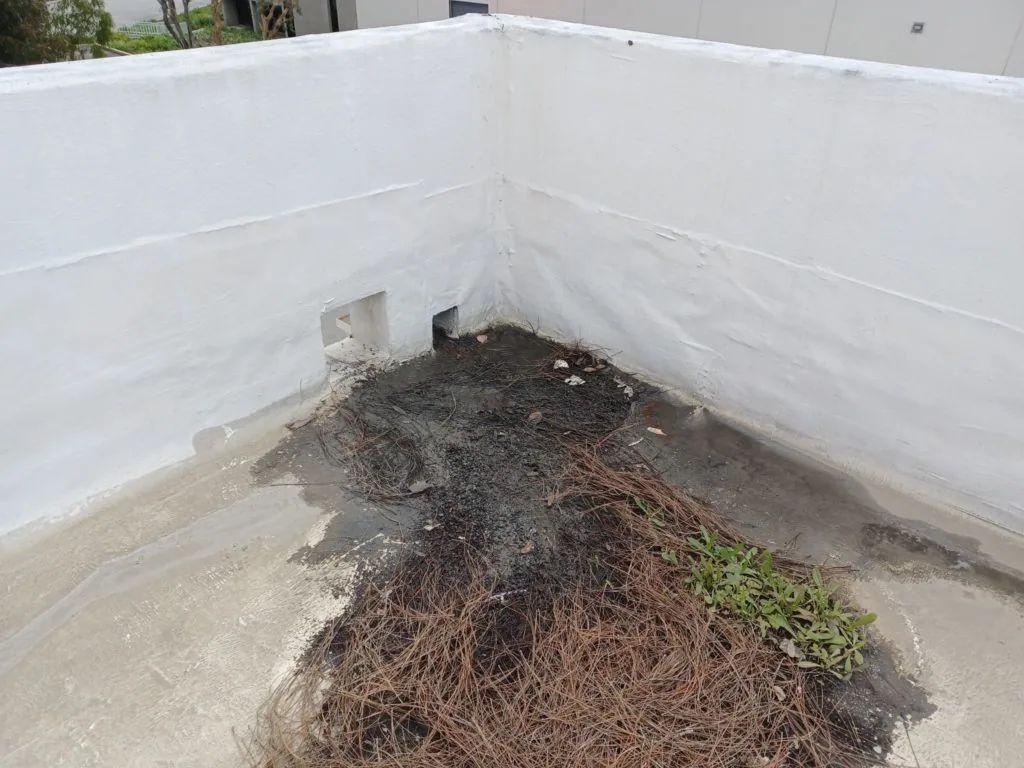
Photographs should connect to a plan or written location, show enough surrounding detail to establish context, and distinguish a close view from a roof-wide view. We note whether a seam is open, a flashing has moved, insulation is exposed, or a drain path is obstructed. If a condition is uncertain, we state what testing could clarify it. A record should not convert a possibility into a confirmed cause. When test cuts are approved, we identify their positions and how each opening is restored.
The National Weather Service’s record of the Springfield tornado includes roof removals and damage to commercial structures. We compare observed damage with the owner’s reported timing and identify what remains unknown. A roof condition report can organize photographs, observations, recommendations, and open questions; it does not decide policy coverage. The insurer or its representative makes that determination under the applicable terms.
Separate temporary and permanent work
Active water entry may require temporary protection before the permanent scope is known. We identify the method, location, and limits of that measure and record when it was installed. Permanent repair is described separately, with materials, preparation, and boundaries. If wet insulation or deck damage is concealed, the report identifies the proposed test or opening needed to establish its extent. This keeps emergency stabilization from being mistaken for completed restoration.
Massachusetts resilience planning identifies roof and structural damage from snow and ice weight as an impact of severe winter storms. In Springfield, thaw timing and blocked outlets can complicate a roof condition that began during wind or rain. We describe the visible water path and inspect drainage without attributing every wet area to one event. A wind damage review or emergency roof service can handle immediate concerns, while a defined repair proposal shows the permanent work for review.
State what the record can show
A roof inspection is a field record, not a coverage opinion, engineering analysis, or destructive investigation unless those services are specifically included. We identify the areas viewed, conditions observed, test locations, and limits caused by access or weather. If a cause cannot be established without opening the assembly, we say what additional inspection is required. This helps the owner understand the difference between confirmed damage, a possible pathway, and a question that remains open.
Springfield’s Building Division enforces code and permit requirements, reviews plans, and inspects applicable repairs and alterations. If a proposed repair affects an assembly or requires permit review, we note that coordination as a separate scope item. The claim documentation can include roof repairs and permit-related steps as distinct work items. For broad wet areas, an infrared moisture survey may guide test cuts when conditions support that method.
Access can also limit what is visible. Snow cover, an unsafe hatch, active mechanical work, or a restricted roof zone may leave an area for a later visit. We name the area, state why it was not reached, and list the access or weather condition needed to return. This is more useful than implying the whole roof was reviewed when only a section could be inspected.
Prepare a readable handoff
We organize the report by roof section, with dates, photo labels, observed conditions, temporary work, and proposed permanent repairs. A concise summary identifies urgent exposure and the next investigation needed. Supporting notes preserve detail without burying the decision. If an adjuster, consultant, or other contractor is involved, the owner can share the same roof plan and photo references so each party is discussing the same location.
I-91 and I-291 frame and cross parts of Springfield’s downtown and North End commercial geography. Traffic, loading, and access at an occupied property are confirmed on site. We coordinate the route with the owner and record restrictions that changed the inspection. When several buildings are involved, a multi-building record keeps property observations separate. We can also prepare a storm repair scope based on the inspection findings.
Make the next step clear
The final packet states what we inspected, what we found, what we repaired, and what remains unresolved. It includes photographs, marked locations, materials used, and any temporary protection or return visit. Where the owner supplies a claim number or adjuster contact, we can identify the related file in the closeout without adding unsupported statements about coverage. A dated record also helps distinguish later maintenance from the original event.
Send the event date, interior leak pattern, roof plan, access rules, previous repairs, and any documentation request from the insurer. We will inspect the roof and provide an evidence-based description of roofing conditions and proposed work. If new material is uncovered during repair, we photograph and document it before closing the area where practical. The owner can then route the file to the parties responsible for reviewing scope and coverage.
Commercial Roofing Questions
Do you determine whether a claim is covered?
No. We document roofing conditions and repair work. The insurer applies the policy terms and makes the coverage decision.
What should we send before a claim inspection?
Provide the reported event date, leak locations, roof plan, prior repair records, access instructions, and any request for specific documentation.
Can temporary protection be included in the report?
Yes. We record its location, method, limits, and the follow-up needed for permanent repair. Temporary work is identified separately from completed restoration.
What if the damage is below the membrane?
We describe the visible condition and identify a test cut or opening that could establish the concealed extent. The report states how that area will be restored.
Will you share photos with an adjuster?
We can provide the inspection record to the owner for distribution. The photo labels and roof plan references help recipients connect each image to the observed area.