A public building roof is judged twice: once by the weather and once by the auditor. Springfield, MA's Metro Center covers about 620 acres on the city's western edge and mixes government, business, cultural and institutional uses, including the Quadrangle, the Central Library and the Federal Armory and Museum. Old Hill holds the Watershops Armory and the Winchester Square Fire Station among its historic assets. Buildings like these carry long service lives, public schedules and procurement rules. We start with the condition record, because a public owner needs a number and a reason before the work can be bid.
Build the condition record before the bid documents
Public owners buy against a scope, and the scope needs evidence. We survey each roof section, rate its condition, map moisture where it matters and photograph every defect. The report lists the findings in a form that can be attached to a capital request or a bid package.
A commercial roof inspection done this way gives the facilities department a ranked list across buildings, so a budget meeting can discuss the same numbers the survey produced. If a building has a warranty or a prior project file, we read it first and reconcile the new findings with the old record.
The Springfield Building Division sits on Tapley Street, and its permit conditions follow the work citywide. We note the permit status of each building in the record, so the file shows when a roof was last permitted and inspected.
Write the scope so it can be bid and defended
Public bidding favors clear scopes: removal limits, insulation thickness, cover board, membrane, flashing details, drainage changes and testing. Vague scopes produce change orders. We write alternates where the findings are uncertain, such as unit prices for wet insulation removal, so the owner has a price for the surprises before they occur.
The Building Division reviews plans and inspects alterations and repairs against the state building code. The current edition is the tenth of 780 CMR, and its Massachusetts energy amendments can trigger insulation requirements on a roof replacement. We state which apply, so the bidders price the same job.
Alternates also help with budget uncertainty. A base bid can cover the clearly needed sections, and alternates can add further sections if funds allow. The owner chooses after the prices come in, not before.
Security and public access control the work zone
Courthouses, police stations and administrative buildings have security rules. Workers may need badges or escorts, tools may be inspected and some areas stay off limits. We confirm the rules in writing and build the time for access into the daily schedule.
Public buildings also stay open to the public. Entrances, ramps and parking remain usable, and the work zone is fenced and signed. For a building like a library or a municipal office, noisy tasks are scheduled for the hours the department chooses. Staging avoids fire lanes and the routes that emergency vehicles use. An occupied building reroofing plan documents all of this for the project manager.
Shared campuses are common in the public sector. A municipal office may sit beside a school roof or a community hall that follows another calendar, and we sequence the work so neither is blocked on a busy day.
Fire stations and armories never fully close
Some public buildings operate around the clock. A fire station must keep apparatus bays, dispatch areas and living quarters usable, and a roof leak over any of them is an operational problem. We phase the work so one area is open at a time, with temporary protection and a clear signal to stop if an alarm sounds.
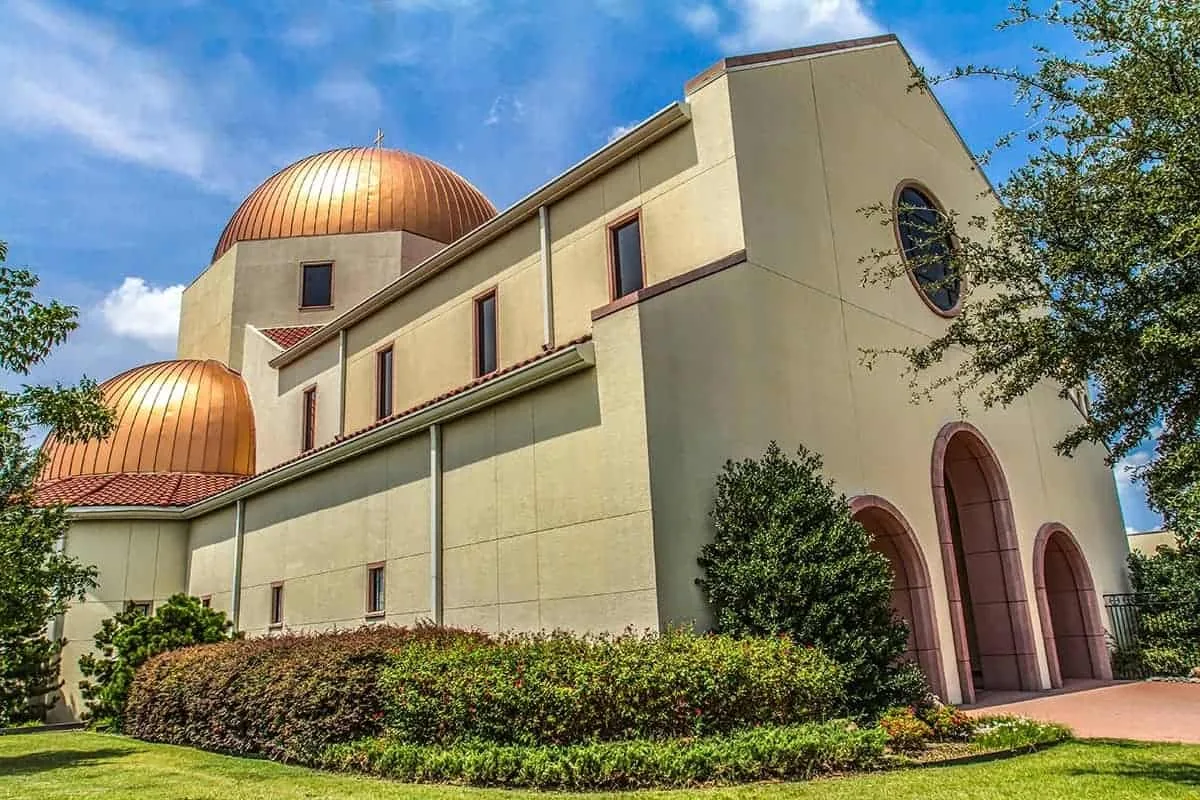
An armory, such as the Watershops Armory identified as a historic asset in Old Hill, can have a large drill hall under a long-span roof. A big volume brings its own details: skylights, clerestories, wide parapets and a roof that sheds snow onto lower sections. We assess each, and for the church or hall next door, the same questions about steep slopes and box gutters apply.
Dispatch and communication rooms often sit under the roof edge where antennas and cable penetrations cluster. We seal those penetrations with the lowest-risk detail, schedule the work with the department's technical staff and test the seal before leaving.
Historic civic buildings need matched details
Many civic buildings are old, and their roofs combine original materials with many rounds of repair. Metal flashings, slate, built-in gutters and masonry parapets are common. We inspect the masonry cap, the through-wall flashing and the gutter linings, and we bring in an engineer or mason when the structure needs it.
A repair that matches the original profile may cost more than a generic one, and it may be required. The Old Hill and Metro Center areas both include historic assets, so the question of materials and review comes up early. We present options with costs and the reasons, and the owner chooses.
Winter load and storm damage are planning inputs
Severe winter storms rank as a high-likelihood hazard in the state analysis, and roof damage from snow and ice weight is on its list of infrastructure impacts. On a large roof with few drains, ponding in winter adds to the load.
The 2011 tornado adds a second input: rated EF3 by the Weather Service on June 1, it damaged large commercial brick structures in Springfield and removed some roofs. We include a perimeter and parapet review in every survey of a masonry public building. After any storm, tornado damage roof repair or snow damage repair begins with temporary protection and a photographic record.
Manage the portfolio as an asset record
A city or agency with many buildings needs one roof record for all of them. A roof asset management file tracks each roof's age, repairs, warranty terms and remaining life, and it updates after each inspection. The capital committee sees which buildings need funding now and which can wait.
Departments can start with the buildings that leak most and add the rest over time. Public agencies of different sizes use the same format, and the record survives staff changes.
Because the file is standardized, a new facilities director can open it and see where each roof stands. That continuity is hard to buy and easy to lose.
Commercial Roofing Questions
Why add unit prices for wet insulation?
Wet insulation is often found only after tear-off. A unit price in the bid fixes the cost per square foot in advance, so the owner is not negotiating under pressure. It also lets bidders compare the same assumptions, which keeps the award clean.
Can a public building stay open during a reroof?
Usually yes. We phase the work, protect entrances and agree on quiet hours with the department. Essential facilities get a plan with one area open at a time, and the building keeps its emergency routes clear throughout.
What does a bid package need from a roof survey?
Section plans, condition ratings, moisture maps, photographs and a list of defects. We format it so a procurement office can attach it directly, and we keep the underlying photographs in an archive for questions during the bid.
How are historic details handled?
We inspect them, bring in a mason or engineer when needed and propose matching repairs with costs. The owner decides on the evidence, and the report shows what each option keeps and what it replaces.
What records do we get at closeout?
A roof plan, product data, warranties, test results, daily logs and photographs of concealed conditions, organized for an audit. The file is structured so the next project manager can find any item in minutes.