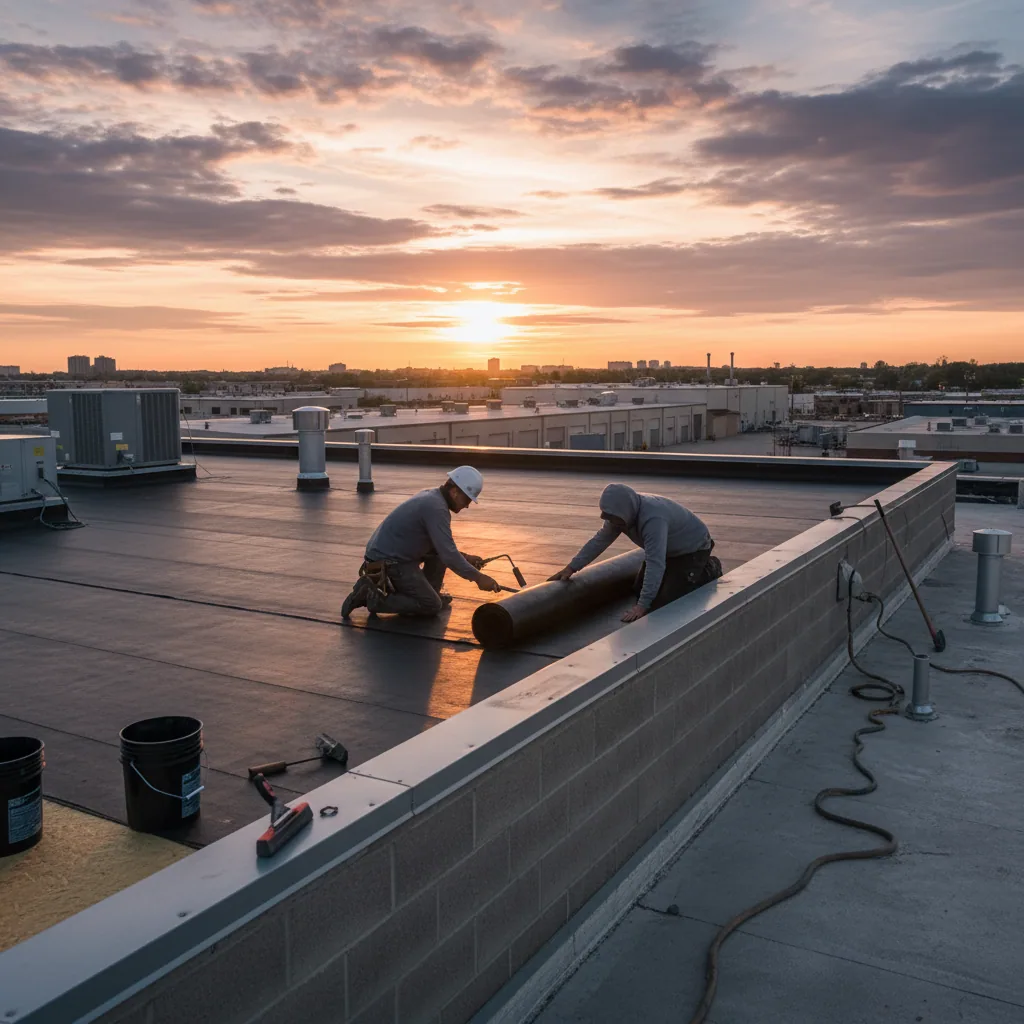
Portfolio decisions get harder when each building has a different roof record. We create a usable inventory of systems, sections, repairs, drains, penetrations, and open conditions so a facility team can see what needs attention next. In Springfield, the Medical District includes a concentrated health-services building base, while Indian Orchard has a multi-property business park context. Those uses call for roof records that distinguish each assembly and operating need instead of ranking every building by age alone. We inspect the roof, map the findings, and connect them to a maintenance or capital decision.
Build the roof register
We begin with building names, roof areas, system type where known, installation or repair records, warranty documents, access notes, and known leak history. On the roof, we mark sections, drains, penetrations, curbs, edges, and transitions. Unknown fields stay identified as unknown until a record or field check answers them. A roof plan becomes more useful when each observation has a location, photograph, date, and action, rather than a general note such as ‘aging roof’ that cannot guide a work order.
A commercial roof inspection can set the first condition baseline. At a property near Springfield's Medical District, we can separate clinical, office, and support buildings by their actual roof assemblies and access routes. For a multi-building owner near Indian Orchard Business Park, the register keeps roof observations attached to the correct building. Each roof keeps its own condition entry even when buildings share an owner or campus name.
Turn observations into priorities
Condition ratings need a reason. We distinguish active water entry, wet insulation, open seams, failed flashing, blocked drainage, edge movement, and ordinary surface wear. Each item receives a location and a next action: repair, investigate, monitor, or include in a replacement scope. The priority reflects risk to the building, how far a defect extends, and whether the condition can worsen before the next planned inspection. A written condition report can keep the photographs and limits beside that recommendation.
During the June 2011 tornado, some Springfield commercial buildings lost their roofs. In an asset register, keep any owner-reported storm work beside its date and repair file, then track today's edge and membrane observations as a separate condition entry. We inspect actual edge metal, seams, curbs, and membrane attachment and label what we find. A wind-damage assessment can document an event-related condition separately from long-term membrane wear.
Drainage deserves its own line in the register. We record low points, drain bowls, scuppers, overflows, and any areas where water remains after nearby sections clear. That lets a maintenance team assign a cleaning or repair without reopening the entire inspection file. For recurrent trouble, a drainage service review can define the work and return note.
Compare roofs on a common basis
A portfolio report can compare roofs only when the same fields are used. We record assembly, section area if provided, access, known repairs, active leaks, moisture checks, and remaining questions in a consistent format. The observations remain specific to each building. A roof in Metro Center may require a different access note from an industrial section near East Springfield, even if the membranes are similar. The point is to make unlike conditions visible, not to flatten them into one score that hides the work required.
Where system type is confirmed, the register can separate a TPO roof from EPDM membrane so repairs and maintenance use compatible methods. If a system remains unverified, we mark it for confirmation. Springfield's Building Division enforces the state code and reviews repair and alteration plans, so records of permitted work and inspections should stay with the roof history when available. Those documents stay in the file as owner records.
Keep the record current
After a repair, the register should show what changed, where the crew worked, which materials were used, and whether the original condition was fully resolved. We attach before-and-after photographs and note any open area that needs a return visit. A preventive maintenance visit can update drains, seams, edge details, and access notes on a set schedule. When an inspection finds wet insulation or a roof opening, the owner can see which building needs a work order first.
Records also help when a mechanical project alters curbs, pipes, or service paths. The roof file should identify penetrations and the detail around them, plus who handled the flashing. If equipment is moved, a curb and support review can update the roof plan before the next inspection. We keep maintenance actions short and traceable so a new manager can follow the history without relying on an informal handoff.
Severe winter storms can put snow and ice weight on roofs and structures. After a winter visit, we record visible drainage and surface conditions, while structural-load decisions stay with the responsible building and engineering team. That keeps the portfolio file clear about who decides what.
Connect condition to budget
A good register supports a spending decision without pretending to predict an exact failure date. A capital planning review can group choices by building and timing. We group confirmed repairs, items to monitor, and sections that need further testing. The owner can compare a localized repair with a broader renewal using the same roof limits and assumptions. We flag missing records or unverified assemblies so the budget includes investigation where it can change the scope.
Cost and timing depend on access, tear-off depth, deck condition, drainage correction, material, and whether tenants or equipment must remain in operation. We keep those drivers attached to each roof rather than carrying a single allowance across the portfolio. For a roof near Indian Orchard, where the park holds multiple properties, field review sets the work. The portfolio summary helps assign inspections and repairs while the detailed scope stays tied to the actual roof.
Hand over a working record
The final register includes a building list, roof plans, dated observations, photos, completed repairs, open items, and recommended next checks. We identify who provided each record and which conditions were confirmed in the field. If a section was inaccessible, that limit appears beside the finding rather than disappearing from the summary. A facility manager can then see which item needs a roof visit, which is ready for pricing, and which requires a design decision.
Send available roof plans, repair records, warranty documents, leak history, building contacts, and the budget or maintenance question you need to answer. We will inspect the selected roofs, align names and roof sections, and return a record that can be updated after each visit. The deliverable is practical when the next person can find the defect, see its current status, and act without rebuilding the file.
Commercial Roofing Questions
What should a roof asset register include?
Start with the building, roof sections, known system, plans, repairs, leaks, access notes, and warranty records. Field observations and photos should be dated and tied to a marked location.
Can you rank roofs by replacement year?
We group confirmed repairs, monitoring needs, and sections requiring more investigation. A replacement year should follow observed condition, assembly, exposure, and the owner's operating needs, not age alone.
How do you handle missing roof records?
We mark gaps and inspect the assembly where access allows. Unverified system type, concealed layers, or inaccessible areas stay identified until a field test or owner record resolves them.
Can one inspection cover multiple buildings?
Yes, with each building and roof area recorded separately. Shared ownership does not make conditions or repairs transferable from one roof to another.
What changes the priority of a roof repair?
Active leaks, wet materials, safety or access limits, drainage, extent of failure, and interruption to building use all affect the next action. We record the reason beside the recommendation.