A warranty file is useful only when the owner can connect its terms to the roof work being done. We organize the issued documents, product and installation information, inspection history, repairs, and notices so a facility manager can check requirements before approving a change. On a building near Metro Center or in the Medical District, access and operating limits can affect how a roof inspection or repair is scheduled. We review the actual warranty language and roof condition, then identify the records or approvals the project needs to protect.
Collect the governing documents
We start with the issued warranty, approved assembly, product data, installation submittals, closeout records, and any transfer or maintenance requirements. The document may set notice steps, inspection intervals, repair methods, or limits on alterations. We record the relevant language and the person responsible for each action. We do not promise that coverage applies before reviewing the terms and the roof history. If a document is missing, we list the gap and identify who can supply it.
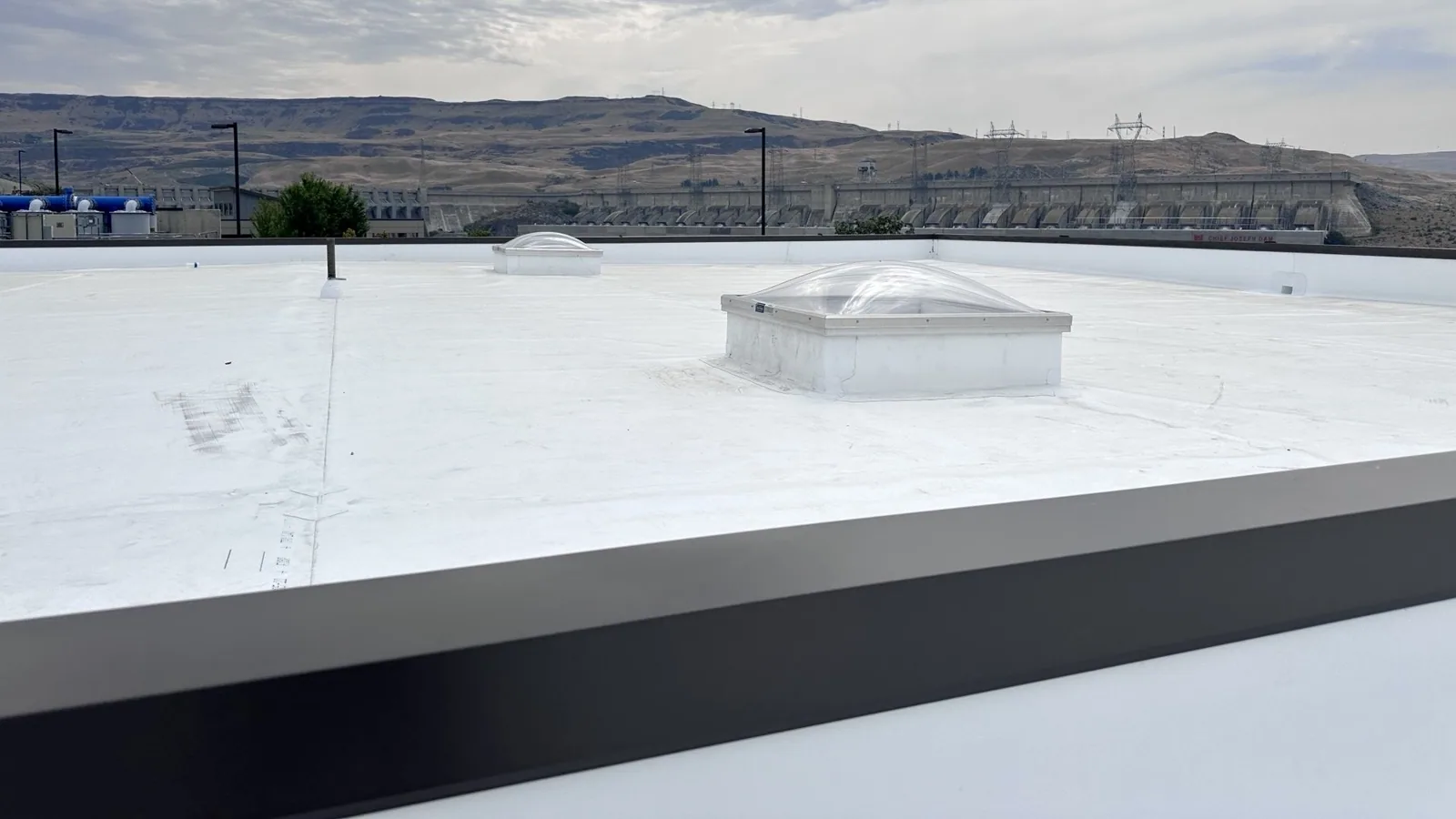
A roof inspection records current seams, flashing, drains, penetrations, and any visible change since closeout. We compare those observations with the system documents, not with a generic warranty checklist. For a roof in the Medical District, the record may need to account for service access above occupied rooms; the site contact sets the conditions for entry. A condition report can keep photographs and repair limits with the document history.
If the roof system is identified, we verify the manufacturer and product line shown in the owner records. We match repair materials to the product and assembly listed in the owner records.
Check before changing the roof
New equipment, a curb relocation, a coating, or an added roof layer can affect the assembly and its documents. Before work begins, we locate the applicable detail, review the proposed change, and identify whether manufacturer or design approval is required. The scope should show who will make that request and what information is needed. A curb and support inspection can document the roof interface before a mechanical change reaches the membrane.
Springfield's Building Division enforces state code, zoning, permit conditions, and inspections for alterations and repairs. Local permit review and manufacturer requirements are separate checks; the project team should resolve both before a detail is covered. We record approvals and photographs with the work area. If the existing membrane is damaged, a compatible repair scope should identify materials, preparation, and the condition left for follow-up.
After heavy snow or ice, an owner may ask for drains, perimeter details, or prior repairs to be checked. We document what is visible and follow the notice procedure in the actual warranty when it applies. The observed condition and contract terms guide the next step.
Keep maintenance traceable
Maintenance records should show the date, roof area, observed condition, work performed, materials used, and follow-up needed. A note that says “service completed” is not enough to show whether a drain was cleared, a seam was repaired, or an area remains open. A preventive maintenance visit can update those details at a set interval and keep photos with the roof plan. We mark exclusions if equipment or access prevented inspection.
At a multi-building property, each roof needs its own record even when the owner receives a single invoice. We identify the building, system, section, and repair so records do not drift between similar roofs. For a broader portfolio, a roof asset register can track inspection dates and warranty documents by property. The register does not replace the warranty itself; it makes the next required action easier to locate.
Before an emergency repair, the owner should check whether the contract requires notice or prior authorization. We can stabilize an active leak, record the condition, and keep the temporary work separate from a permanent repair proposal. Our response operates around the clock, including holidays, while site access and the applicable document requirements remain part of the plan.
Document a reported condition
If a leak or failure may involve a warranty, the owner needs a dated record of what happened, where it appeared, and what was found on the roof. We compare the interior report with seams, penetrations, drains, and prior repairs. Photographs show the condition before work, the materials used for emergency protection, and any area left for review. The owner follows the notice channel and timing specified in the actual warranty; we do not replace that process with a general instruction.
In June 2011, a tornado in Springfield caused roof losses at some commercial buildings. For a warranty file, retain the dated notice, photographs, and completed repair record for the property under review, then compare them with current conditions. That keeps event history separate from later wear and the terms of the actual coverage. We can organize photos, dates, repair limits, and owner records without promising a claim outcome.
If the cause remains uncertain, we state what can be confirmed and what additional testing may answer. A moisture survey may help locate areas for sampling, but its readings do not substitute for the warranty terms or direct inspection. Clear limits let the owner decide what should be submitted and what belongs in a separate maintenance or capital scope.
Match repairs to the assembly
Warranty conditions often depend on system type and detail. A TPO seam repair needs materials and preparation suited to that membrane; an EPDM or modified-bitumen repair follows a different method. We verify the installed assembly from documents and field conditions before selecting materials. If the records and visible system differ, the discrepancy stays open until the owner or manufacturer can clarify it.
A planned coating or recover may need a separate review of compatibility, added layers, attachment, and drainage. We record the proposed work and ask for the approval required by the governing documents before installation. The scope identifies test areas, preparation, and any limitation that carries forward. A coating proposal needs a separate compatibility and approval review, while an overlay decision addresses the full assembly and code constraints.
Near the State Street corridor, delivery and roof access can be constrained by the building and its frontage. That affects how a repair is staged, but not the product requirements. We keep work records specific to each detail and note whether a return inspection is required after installation.
Set the next review date
The updated file includes the documents reviewed, work area, photographs, materials, approvals, notices, and unresolved items. We list the next inspection or maintenance date when the warranty or owner plan requires one. If the owner changes a roof assembly or transfers a property, the file should be checked for assignment and notification terms before the transaction closes.
Send the warranty, closeout package, repair history, roof plan, and the change or condition you need reviewed. We will compare those records with the roof and identify the maintenance, repair, and approval steps that apply. The result is a traceable file for the next facility manager, not a promise of coverage before the document and assembly are checked.
Commercial Roofing Questions
Does a roof warranty cover every leak?
The issued terms, assembly, cause, maintenance, notice, and prior alterations set whether a leak is covered. We inspect the condition and organize the records, while the warranty and its administrator determine coverage.
What records should stay with a roof warranty?
Keep the issued document, approved products, closeout photos, inspections, repairs, notices, and any written approvals together. Identify each record by building and roof section.
Can another contractor make a repair?
The actual warranty may set repair or notice requirements. We review its language and the roof detail before work, then document the materials and limits of any approved repair.
What happens after storm damage?
Record the date, interior report, roof location, and photographs, then follow the notice steps in the warranty. We separate temporary protection from permanent work and report observed conditions.
Will a coating preserve the existing coverage?
We check the warranty terms, product, substrate, and any required approval before coating begins. The owner should resolve those requirements before the scope is scheduled.