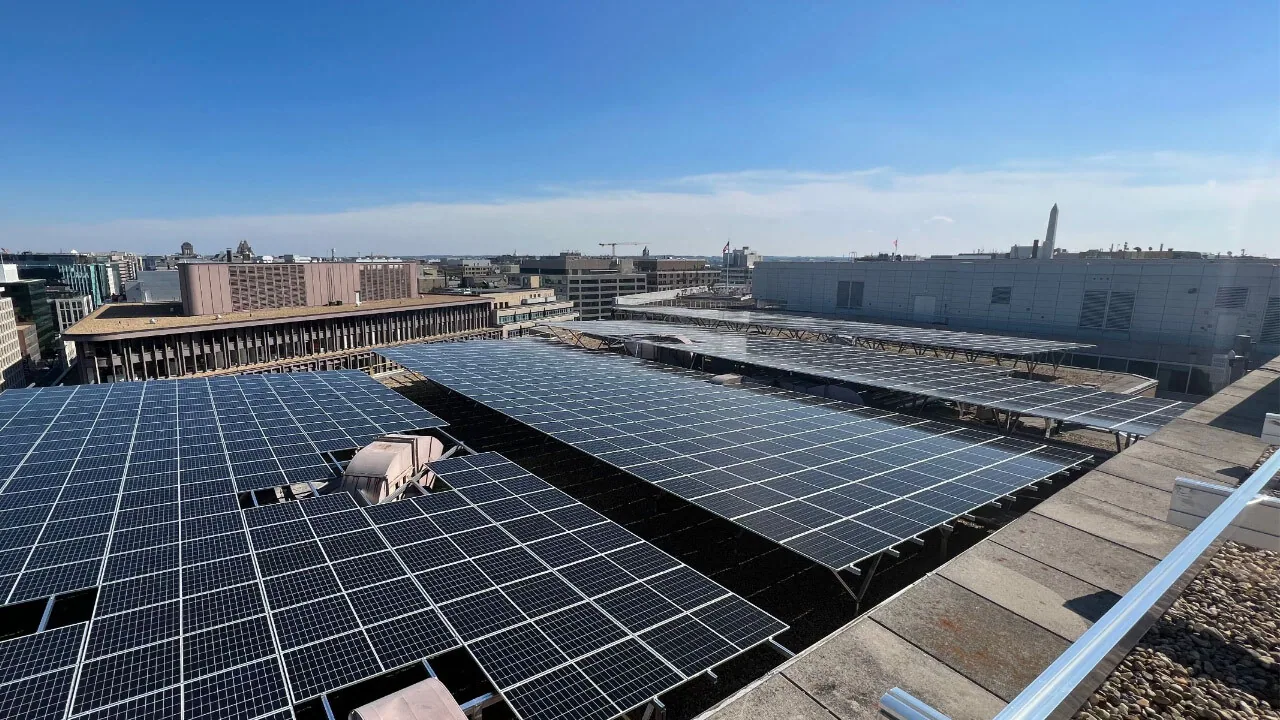
A reflective roof starts with a sound surface, not a color choice. We check the existing membrane, seams, insulation, drainage, and attachment before recommending a coating or new roof assembly. Springfield's commercial building stock ranges from downtown offices and institutional buildings to industrial areas, so roof layout and use matter as much as reflectance. A property near Metro Center may have multiple additions and curb transitions; along State Street, access and occupied frontage can shape how the work is staged. We map the roof sections first, then compare systems that can meet the building's needs.
Check what the surface can support
Coatings can extend the service of an eligible roof, but they do not correct wet insulation, loose membrane, poor drainage, or a weak deck. We inspect seams, penetrations, blisters, prior patches, edge metal, and ponding. Moisture checks help determine whether a section can stay in place. If the existing surface is contaminated, chalking, or poorly bonded, the preparation and adhesion test become part of the decision. A roof inspection records those conditions before a coating scope is prepared. In an older assembly, coating material also has to bridge existing transitions without covering a detail that needs movement or inspection. We mark those points before production so the applicator can reinforce them or leave a serviceable termination.
Springfield's Building Division reviews plans and inspects alterations and repairs under state code and permit conditions. We identify the roof work for the project team so any required review can be addressed before installation. The check should include drainage height, flashing transitions, roof access, and how the proposed system affects existing penetrations. A restoration coating assessment is useful when the membrane may remain serviceable; widespread wet layers or failed attachment may point toward replacement instead.
Set a useful performance target
Reflective products differ in initial reflectance, how they weather, application thickness, and the substrate they can bond to. We compare the product requirements with the existing membrane and the building's operating goals. A roof must also shed water, tolerate foot traffic where needed, and keep details serviceable. The owner should compare a coating with a new membrane using the same roof limits, insulation assumptions, and drainage plan. Reflectance is one input, not the whole decision.
Massachusetts' base commercial energy code uses IECC 2021 with state amendments in 780 CMR Chapter 13. The code context can affect insulation and assembly decisions, so we review the proposed roof layers with the design team rather than treating a reflective finish as a substitute for code review. On a low-slope building, we inspect the TPO membrane option and PVC assembly against details, attachment, and use. If an existing metal roof is involved, a metal retrofit may call for a different approach.
Keep water moving
A reflective surface still needs positive drainage. We check low spots, drain bowls, overflow paths, slope, and the way water sits after rain. A coating cannot fill a depressed deck or make a blocked drain work. If the roof holds water, we identify whether insulation taper, drain adjustment, or deck evaluation should be included before the finish layer is applied. A drainage review can define that part of the scope.
State Street is a long connector with business, institutional, residential, park, cultural, and historic uses. A roof project near that mixed frontage may need staged material delivery and a clear path to drains while tenants remain active. We mark drains and overflow points on the work plan, then protect them from debris during preparation and application. For buildings near the Boston Road commercial area, the roof layout and actual slopes control the design.
Prepare the field and details
Surface preparation often decides whether a coating performs as intended. We remove loose material, clean the substrate, repair open seams, and check that the surface is dry enough for the selected product. Primer and reinforcement vary by membrane, coating type, and repair detail. We apply a test area where adhesion is uncertain and confirm the specified wet-film thickness as work proceeds. The scope should identify edges, penetrations, curbs, wall transitions, and any areas excluded from coating.
Cold weather and precipitation can affect curing and application windows in western Massachusetts. The crew sequences areas to match product limits and protects tie-ins at the end of each shift. If a weather change approaches, the open edge needs a secure temporary closure, not an exposed coating transition. An emergency roof repair response is available around the clock, including holidays, if unexpected water entry needs immediate protection before permanent work can proceed.
Compare restoration with replacement
A coating may fit when the membrane remains attached, the substrate is dry, and details can be prepared and reinforced. Replacement becomes more practical when wet insulation is widespread, the deck needs work, or repeated leaks point to broader failure. We record what supports each option and what remains unconfirmed. A clear capital planning review can compare phased repair, restoration, and replacement across several buildings without assuming every roof needs the same treatment.
Price and duration depend on roof area, preparation, repairs, coating quantity, access, drainage corrections, and the number of details. We show those items separately so the owner can compare bids on matching limits. For an occupied facility, work zones and deliveries can add sequencing needs. The proposal should state the weather window, cure restrictions, recoat interval, and how the crew will close each shift. We do not set a performance expectation before confirming product, substrate, and installation conditions.
Record the finished system
Closeout records the product and batch information, preparation, test area, application conditions, thickness checks, repaired details, and any open item. The roof plan should identify coated areas, excluded zones, drains, and access routes. This gives the facility manager a practical baseline for inspection and helps the next service crew avoid damaging a new finish with incompatible materials or unplanned equipment work.
Send roof drawings, known leak areas, system history, access limits, and the result you want the roof to support. We will inspect the membrane and drainage, then separate a coating candidate from areas that need repair or replacement. The final scope will name the preparation, detail work, material, sequence, and closeout record so the decision can be reviewed before the crew mobilizes. The record names the product, the thickness applied, and the areas left uncoated, so a later owner can tell what the surface is and how to maintain it.
Commercial Roofing Questions
Can a reflective coating go over any commercial roof?
No. The substrate needs to be compatible, dry enough, and sufficiently attached. We inspect seams, prior repairs, wet insulation, drains, and adhesion before selecting a coating system.
Will a coating solve ponding water?
A coating protects a prepared surface, but it does not correct a low deck or blocked drain. We map water retention and include drainage work if the roof needs it.
What does reflectance change for the building?
A reflective finish changes how the roof surface responds to sunlight. The result depends on the assembly, insulation, use, and installation, so we compare systems against the owner's building goals.
How do you decide between a coating and a new membrane?
We compare moisture, attachment, deck condition, drainage, detail repairs, and the useful life of the existing assembly. A coating is considered only where those conditions support it.
What can delay application?
Wet surfaces, unsuitable temperatures, rain, wind, or a substrate that fails adhesion checks can change the work window. We plan tie-ins and daily closure around product requirements.